
About the Fabric

ABOUT THE FABRIC
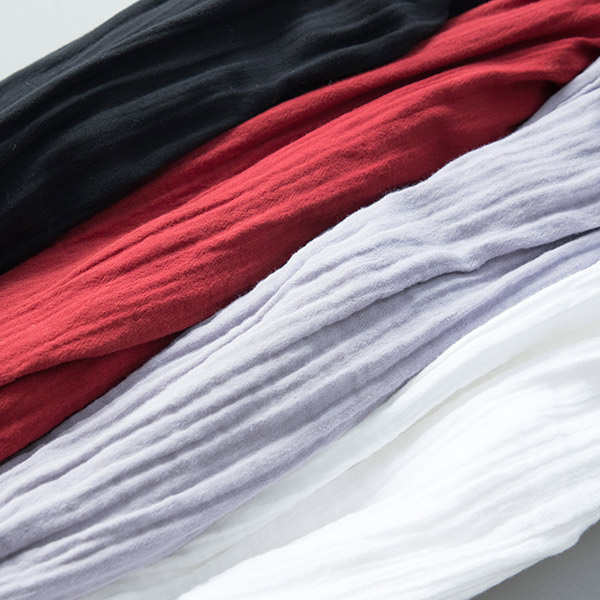
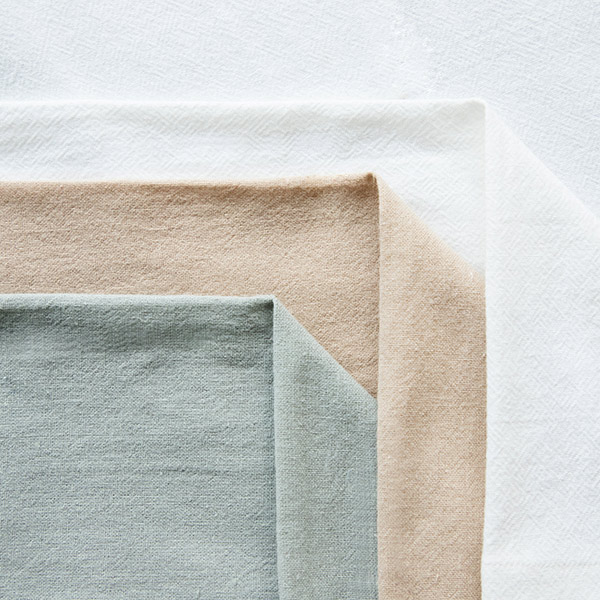
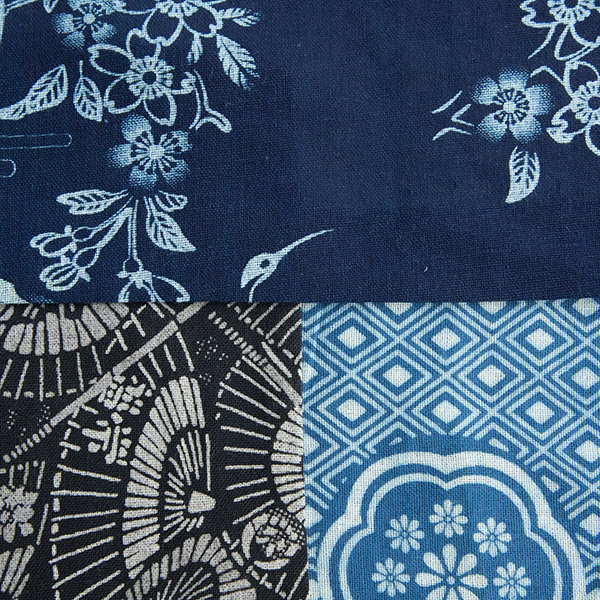
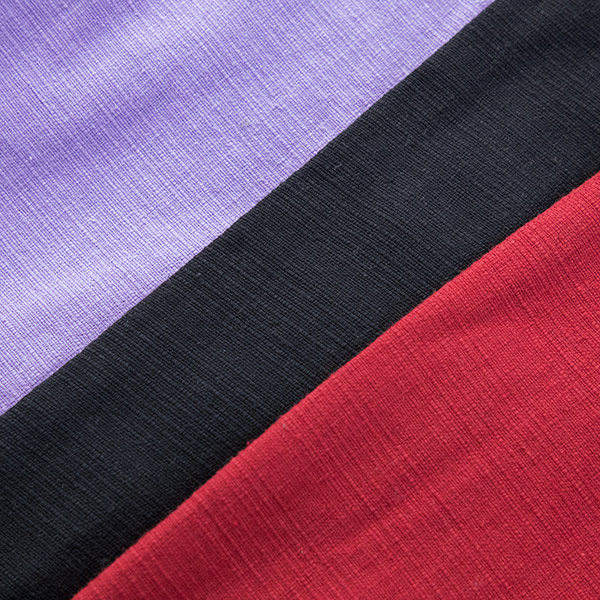
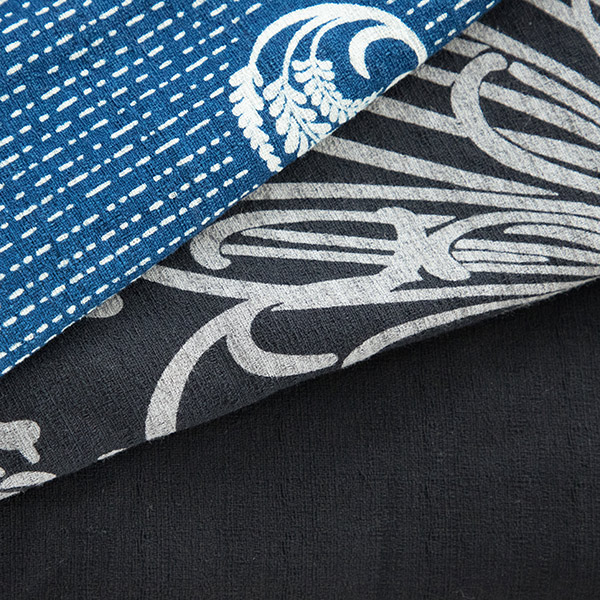
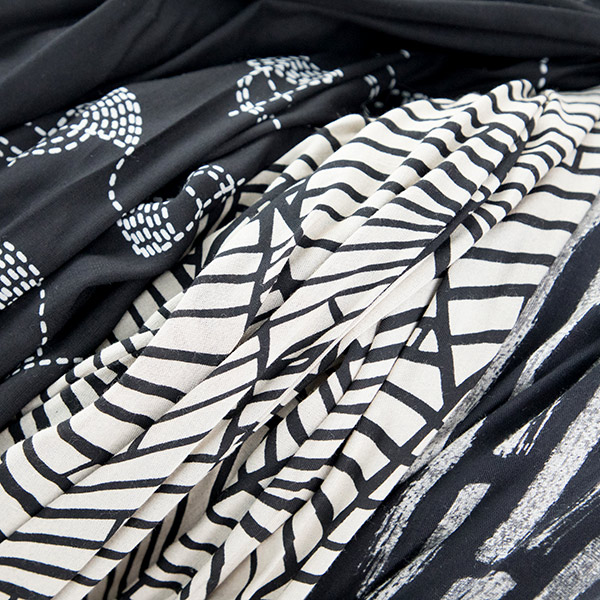
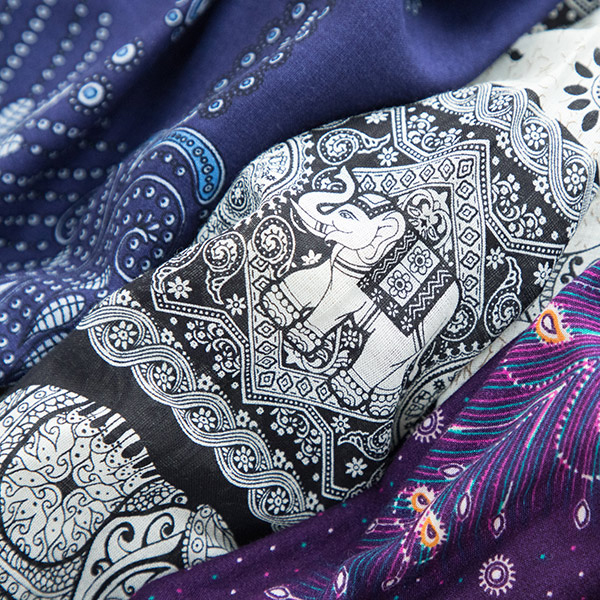
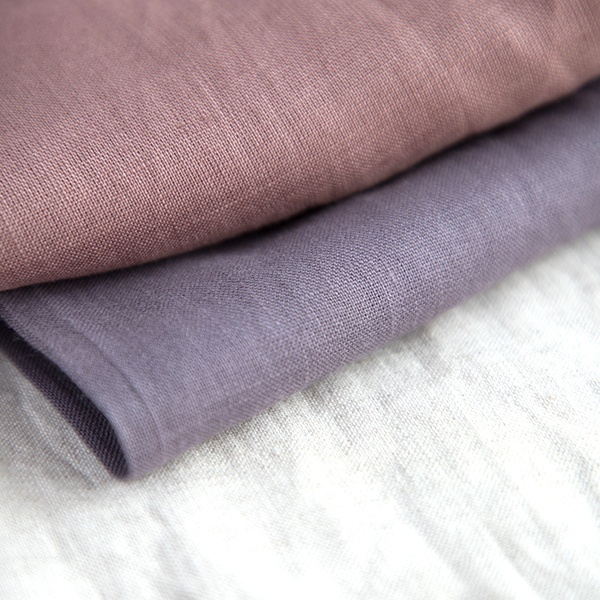
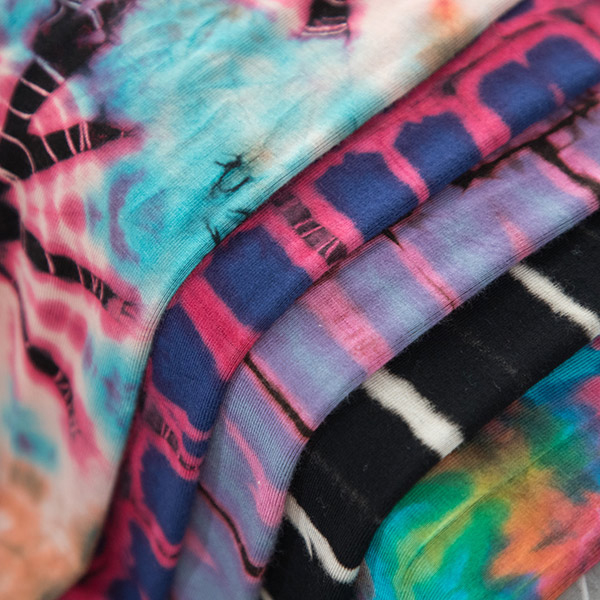
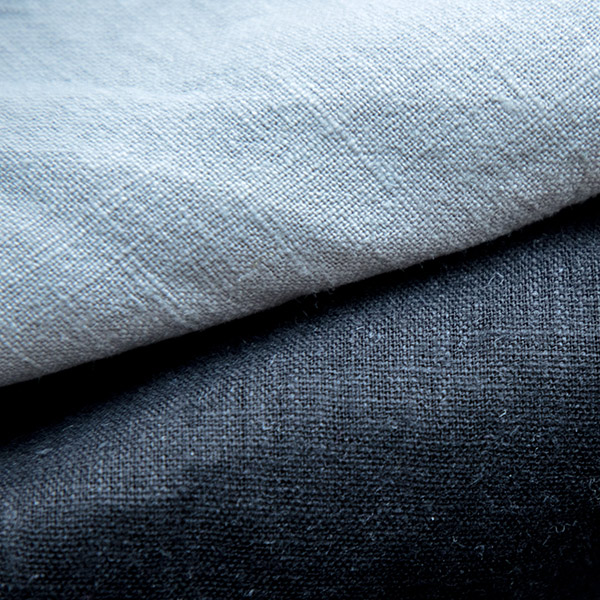
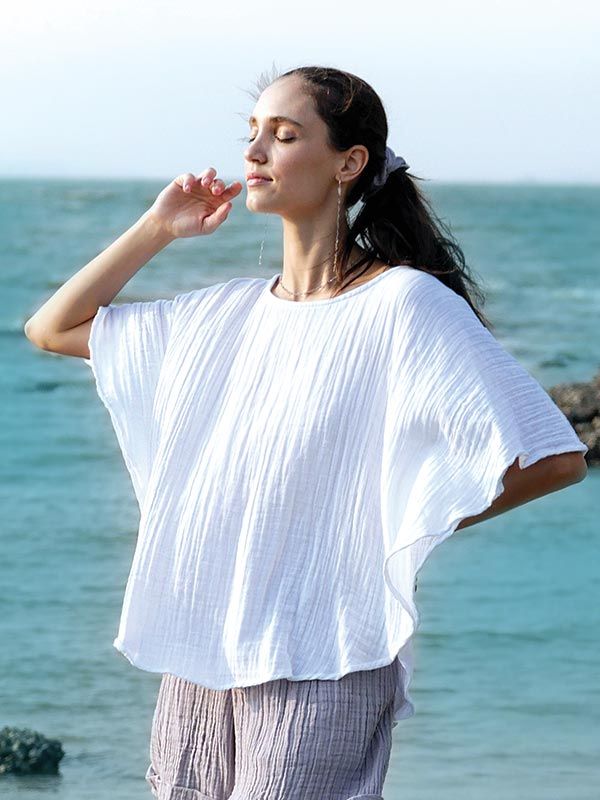
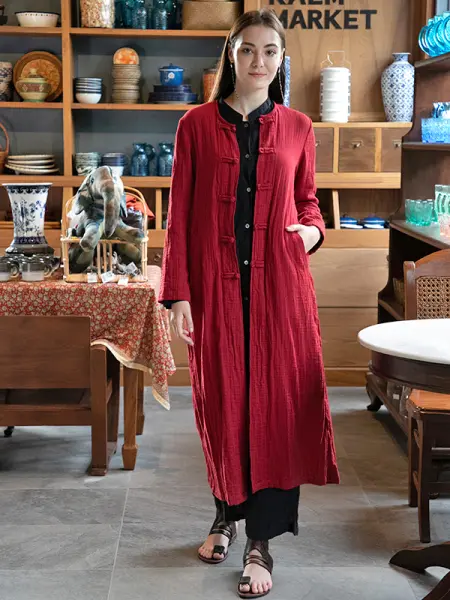
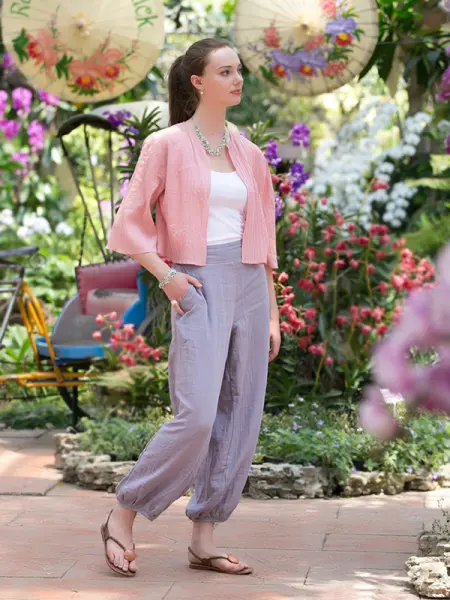
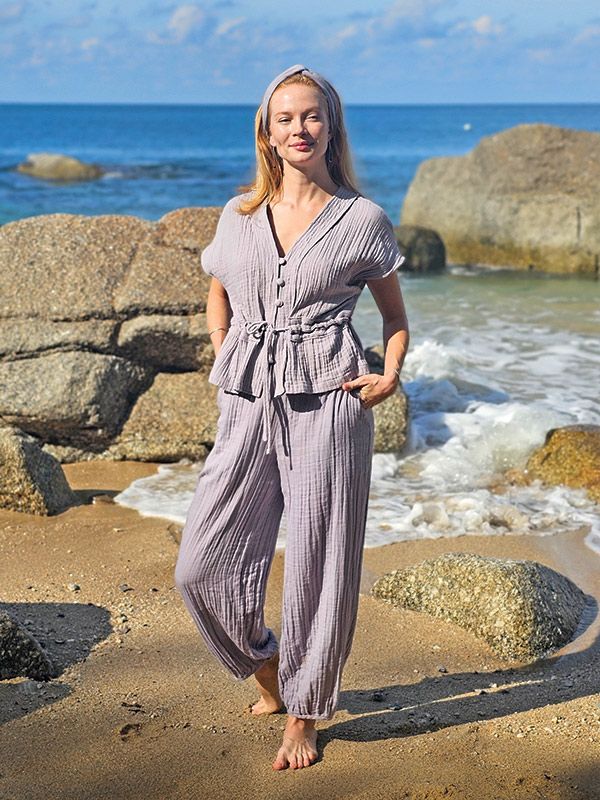
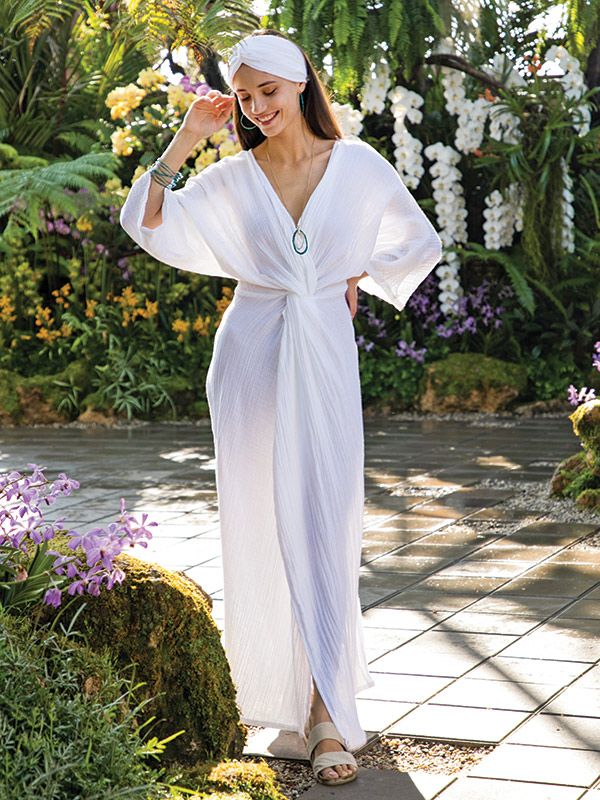
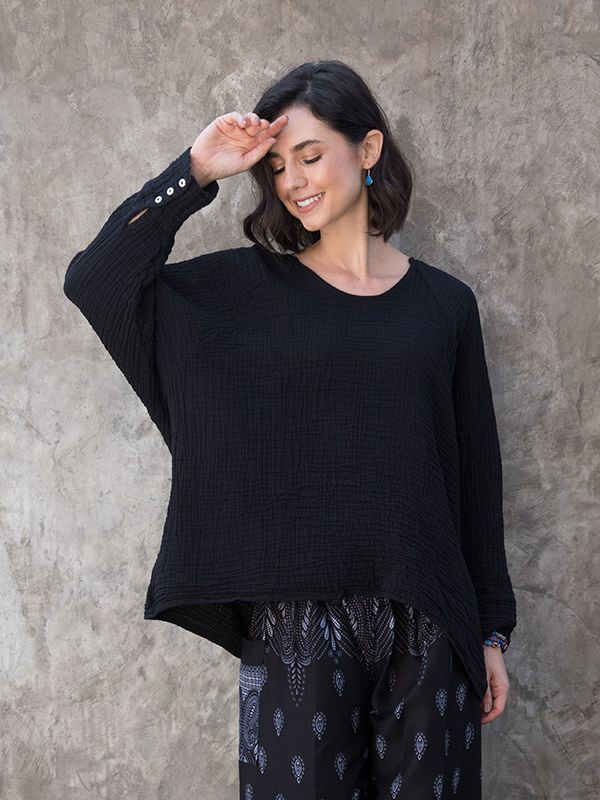
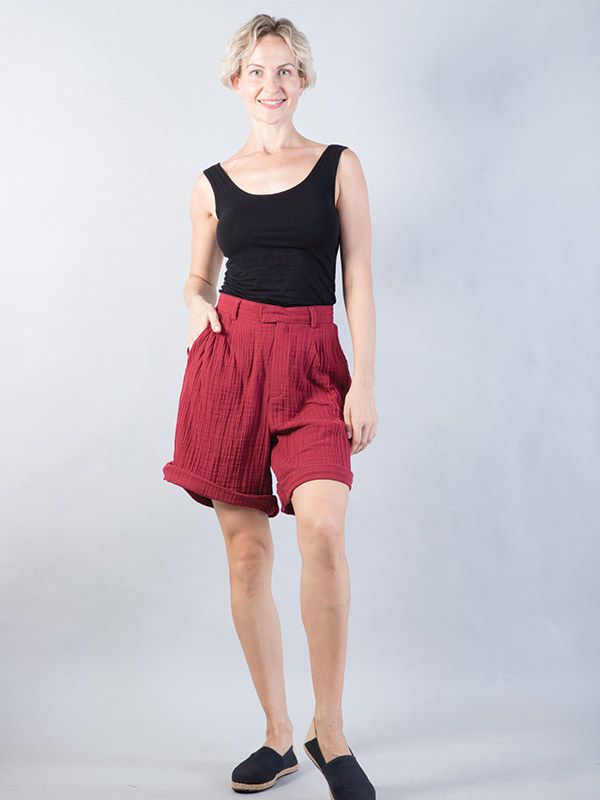
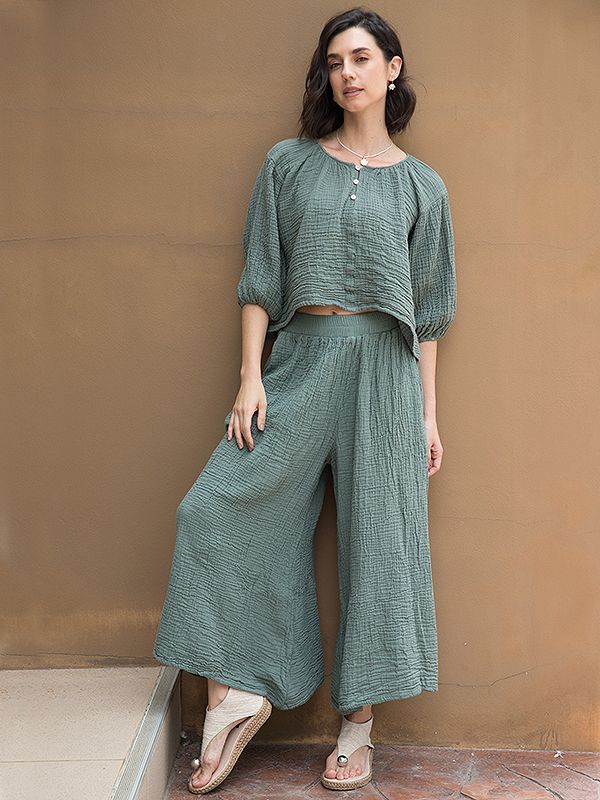
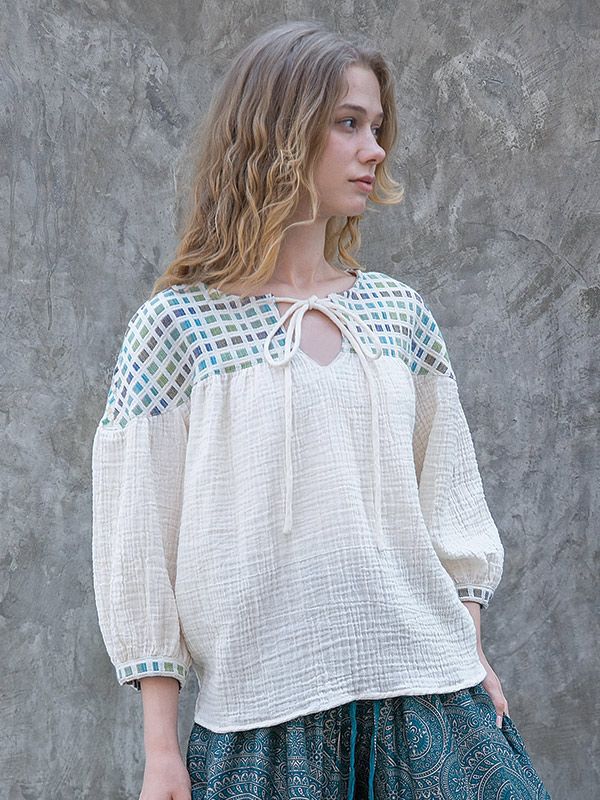
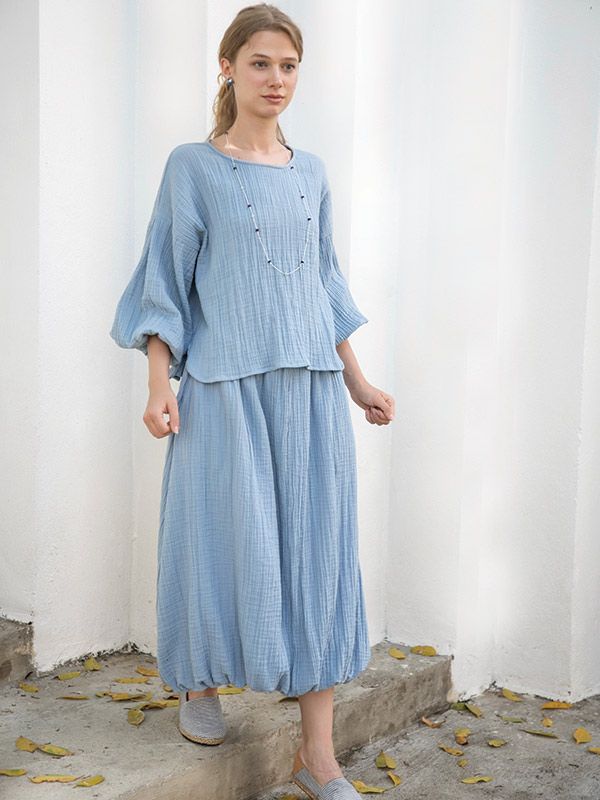
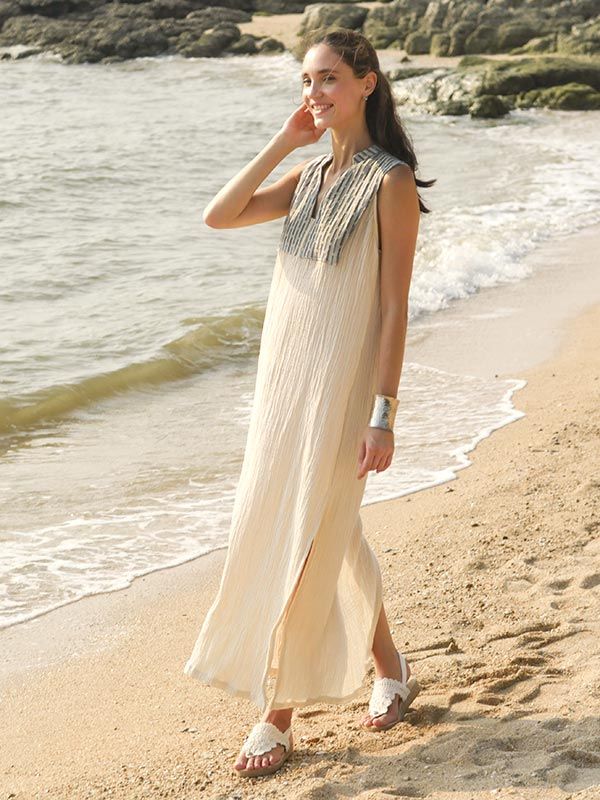
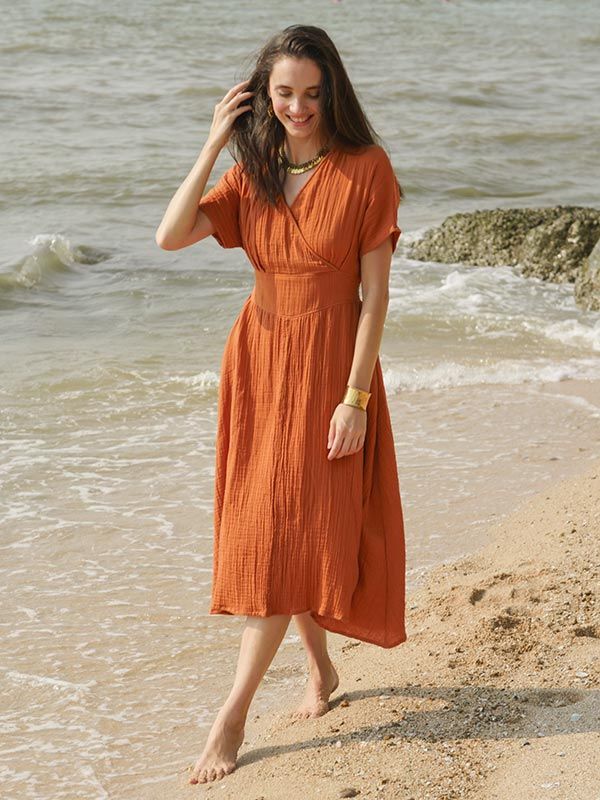
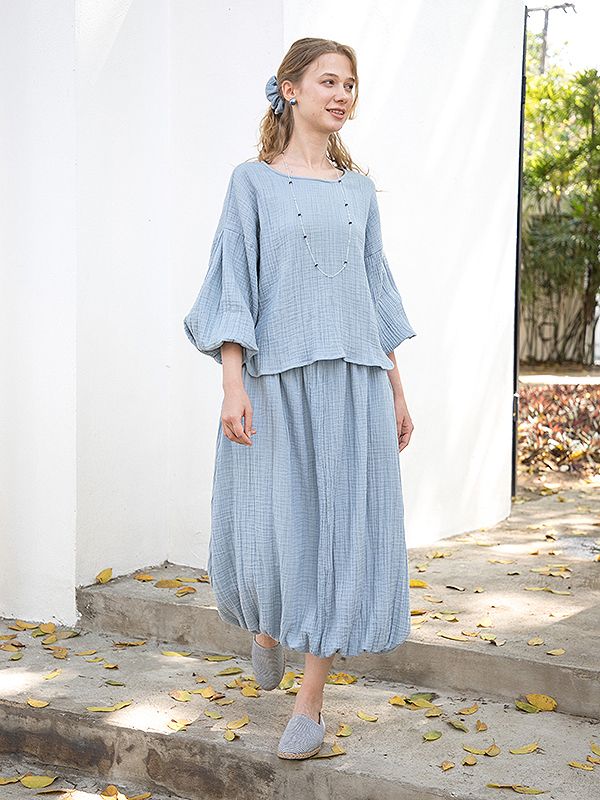
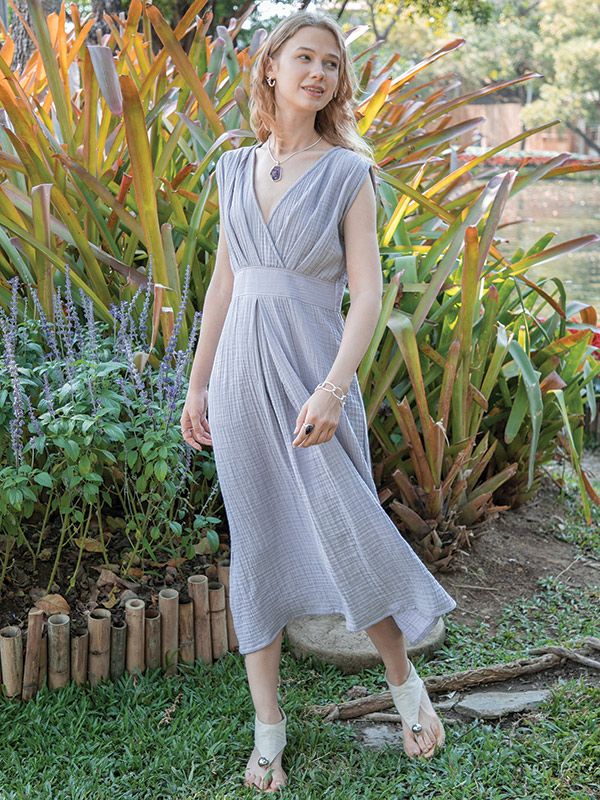
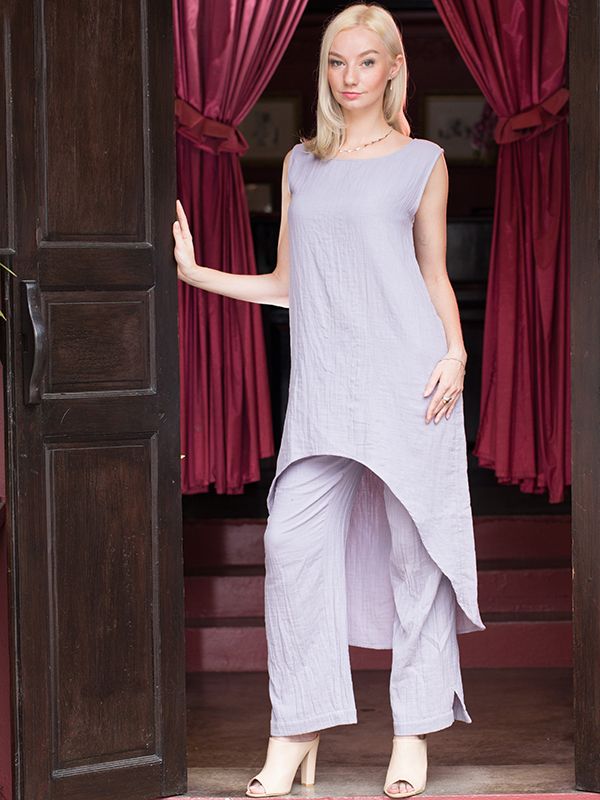
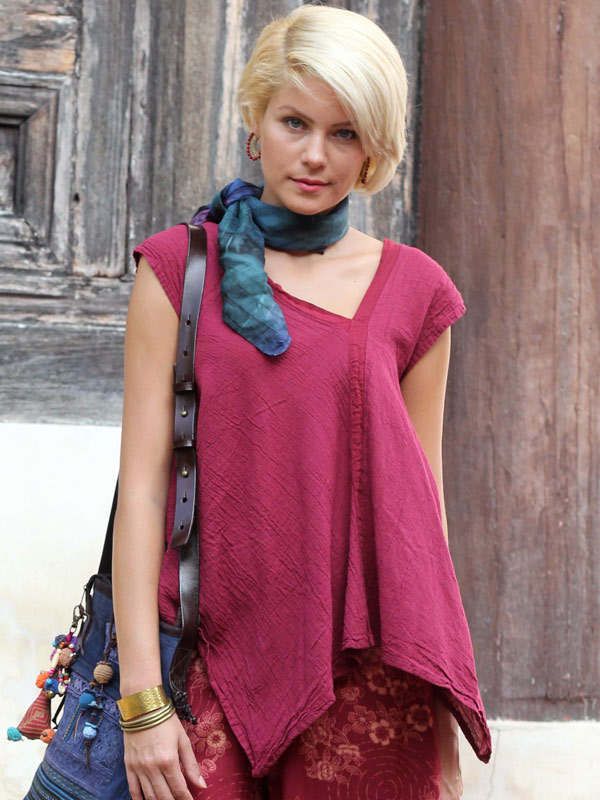
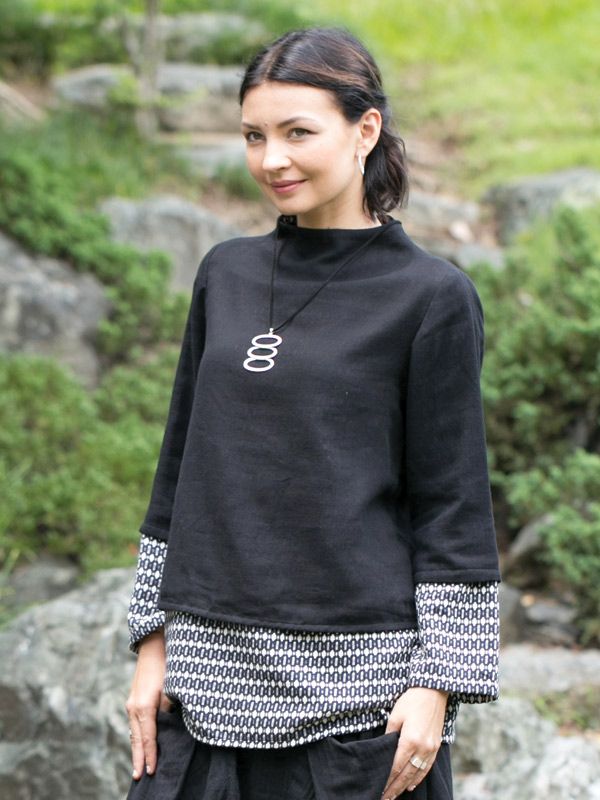
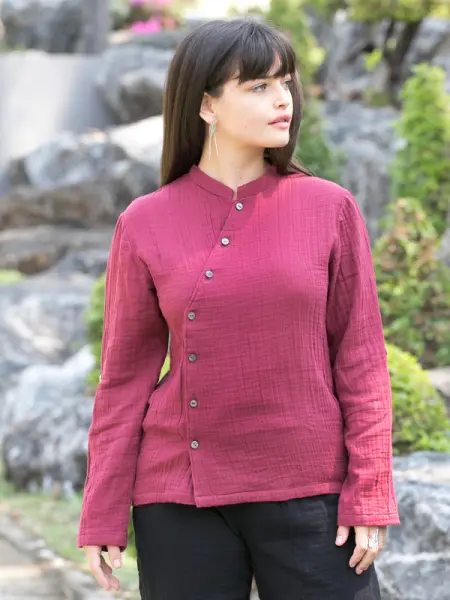
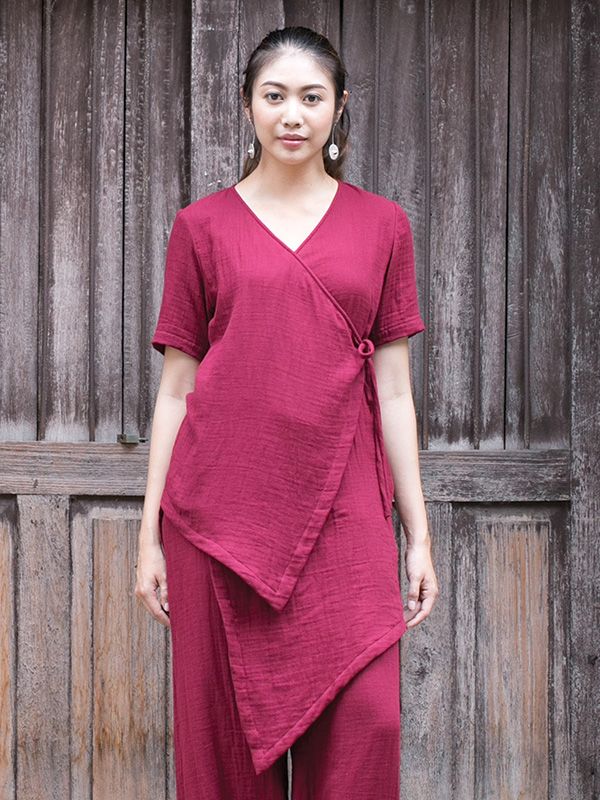
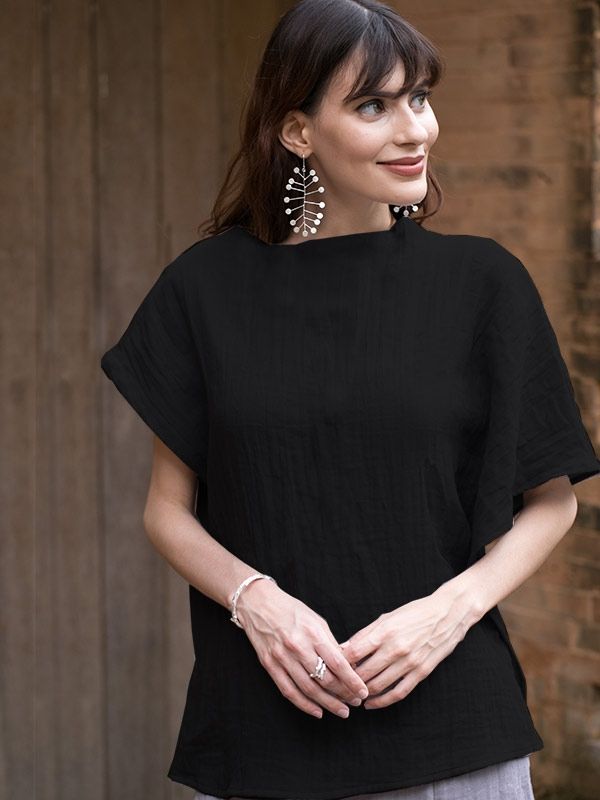
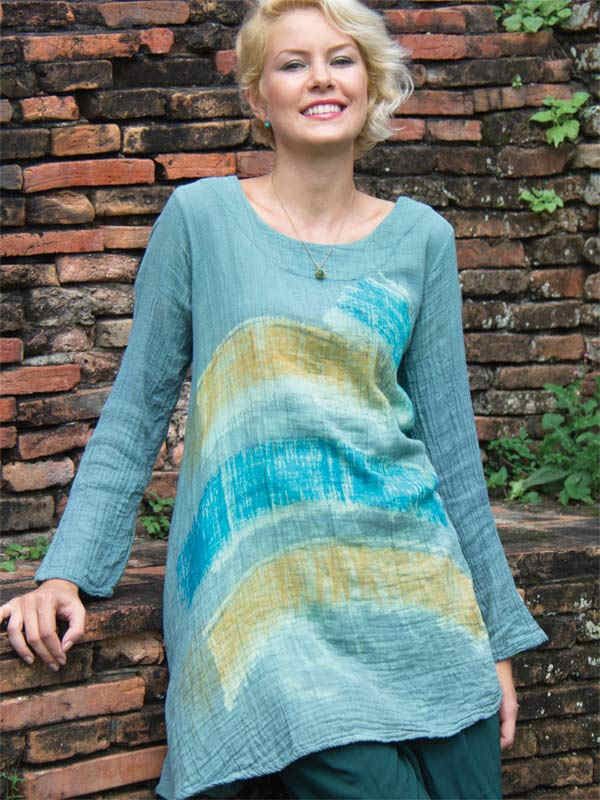
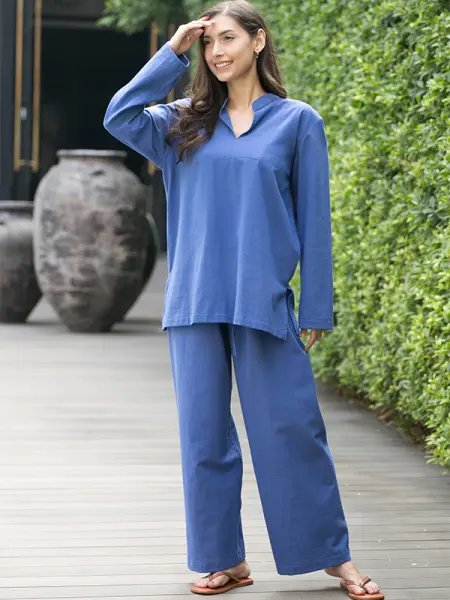
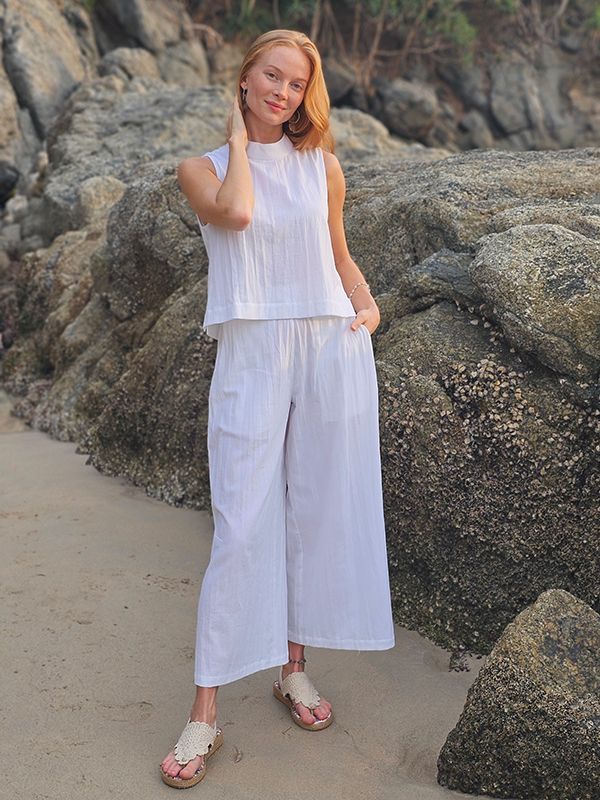
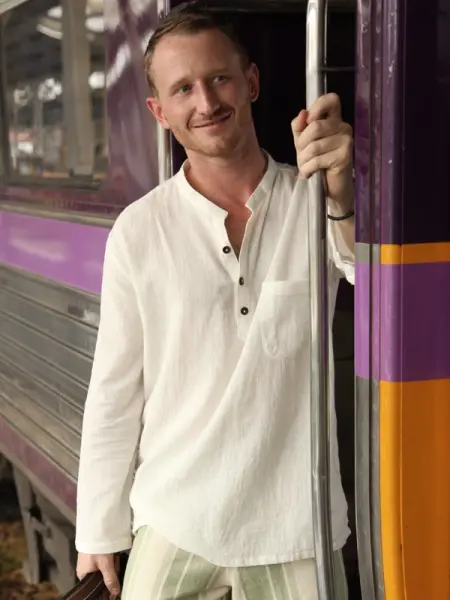
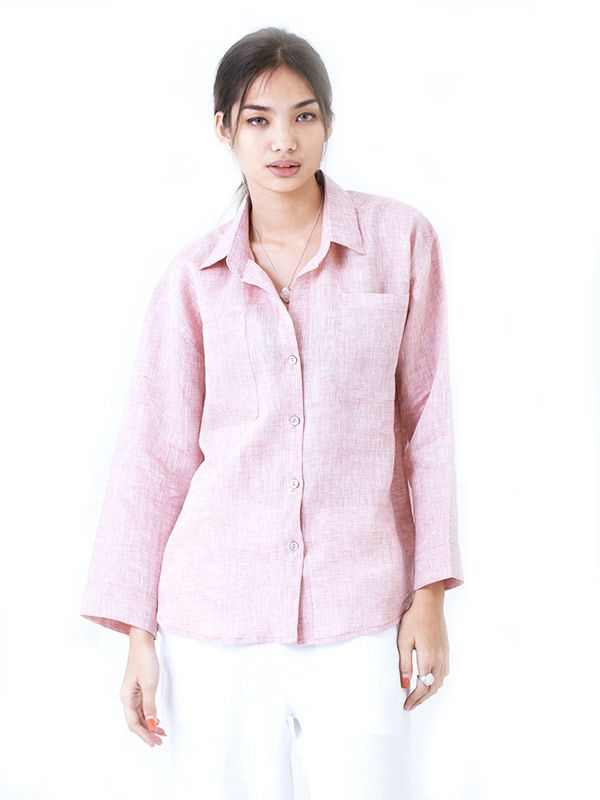
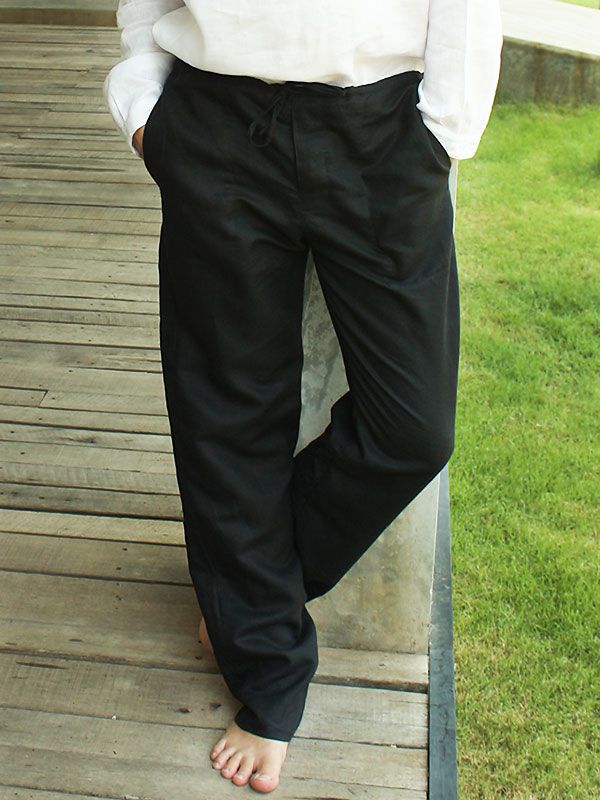
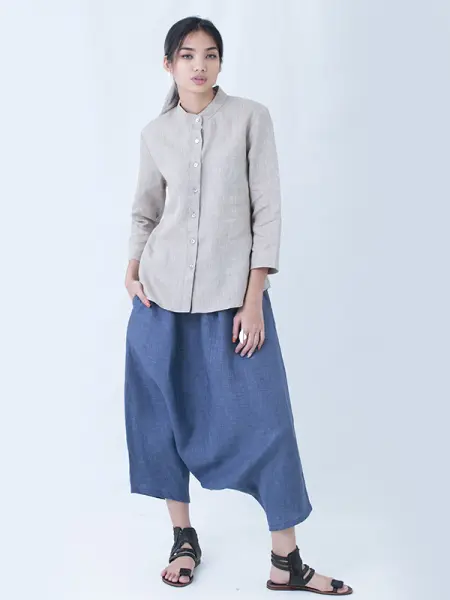
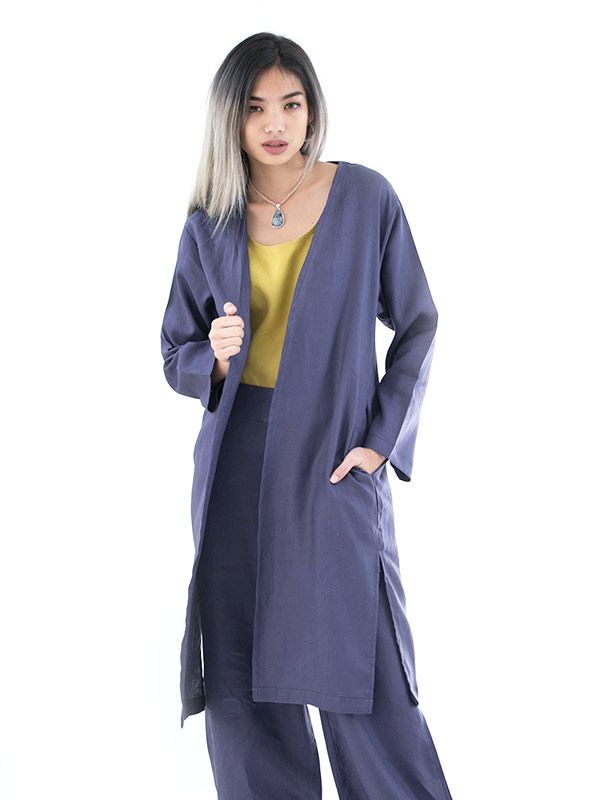
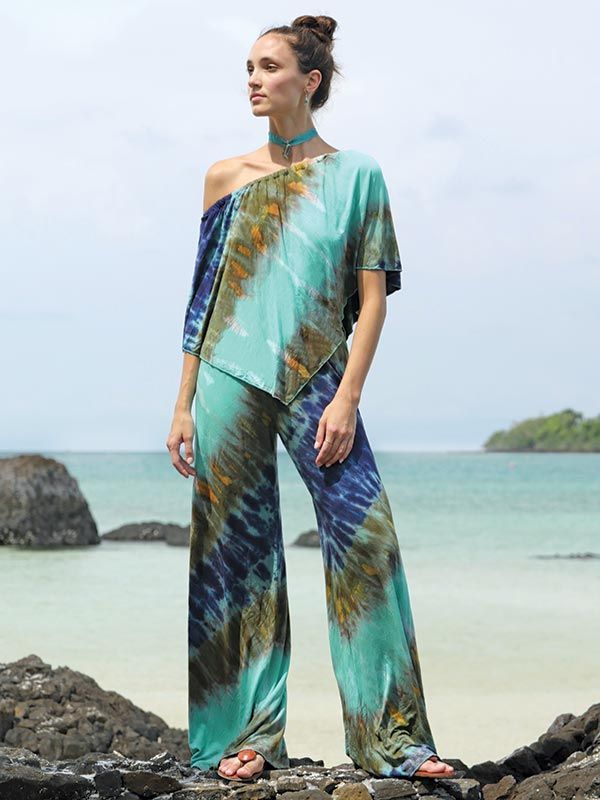
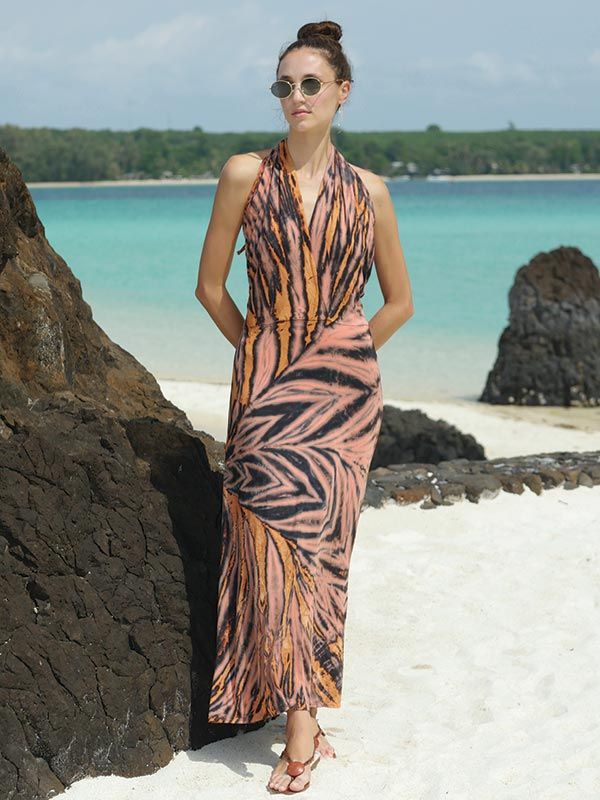
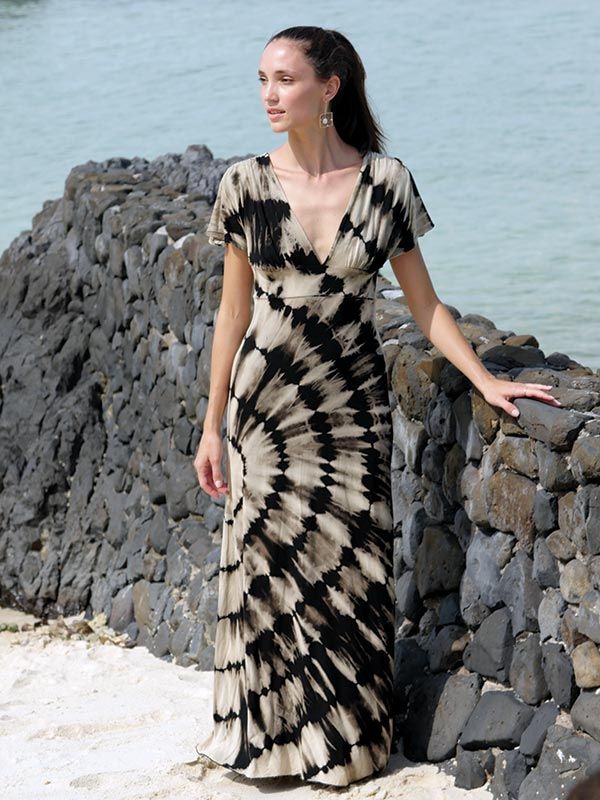
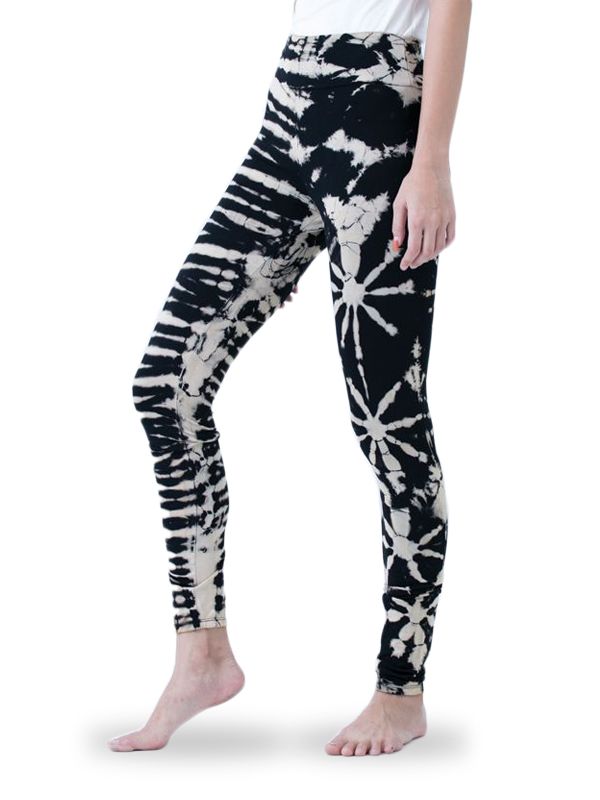
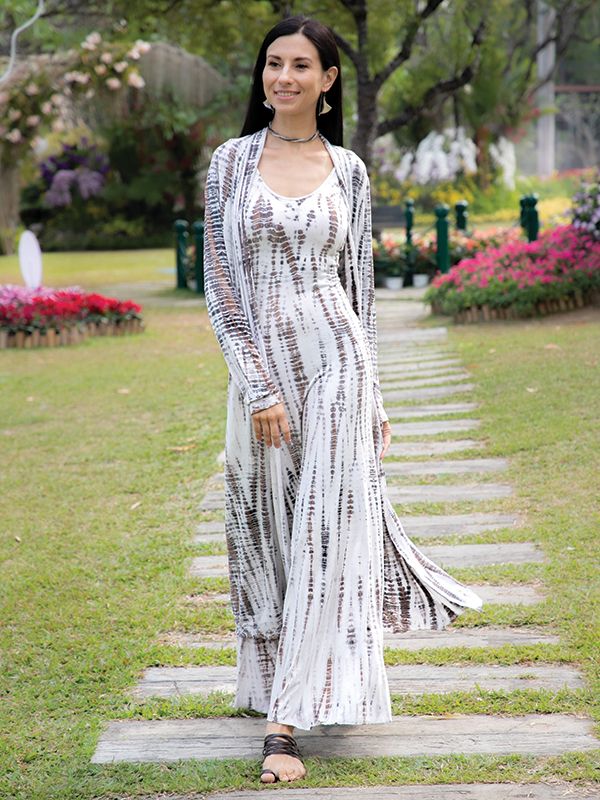
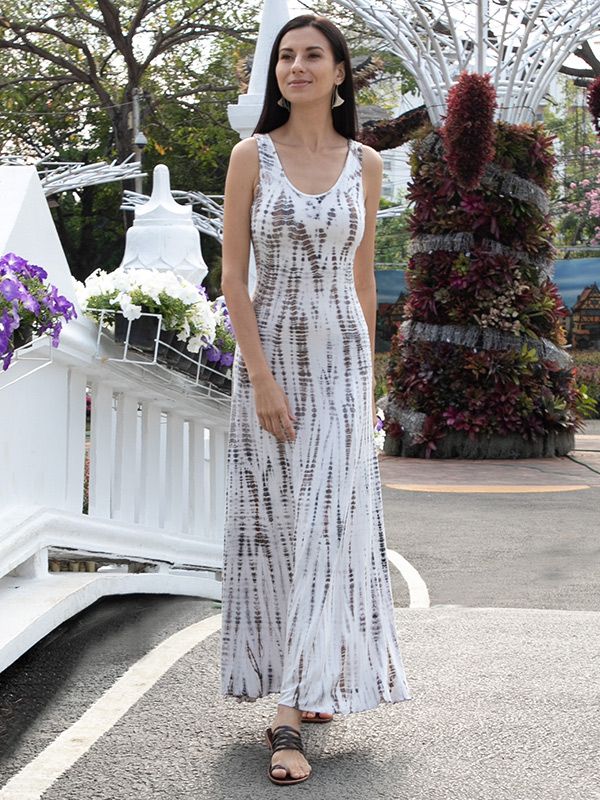
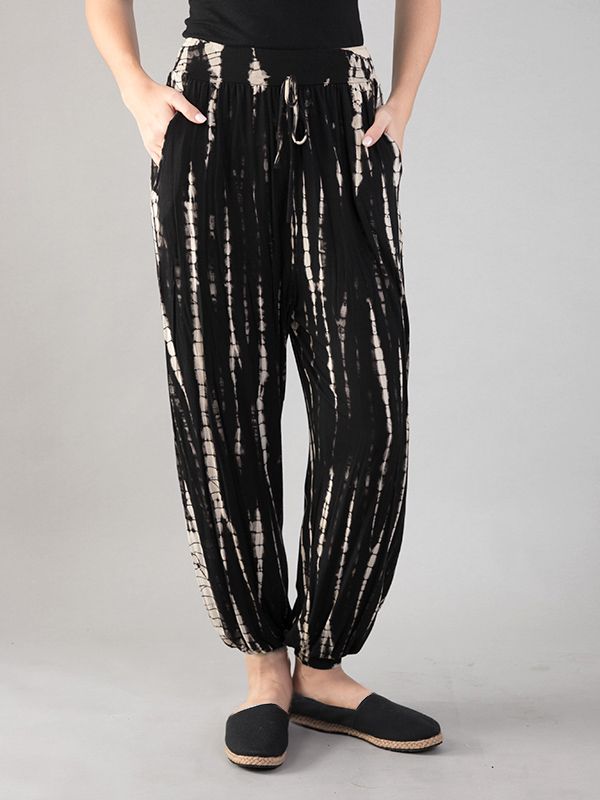
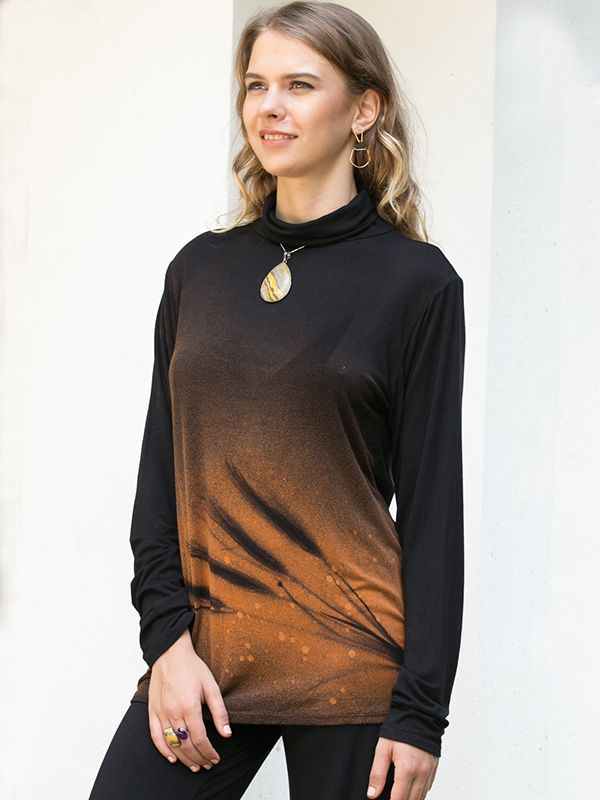
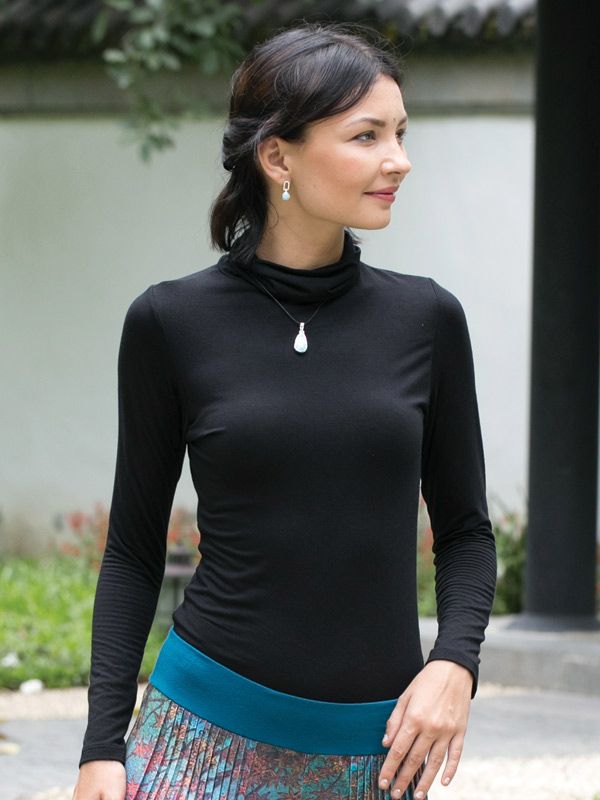
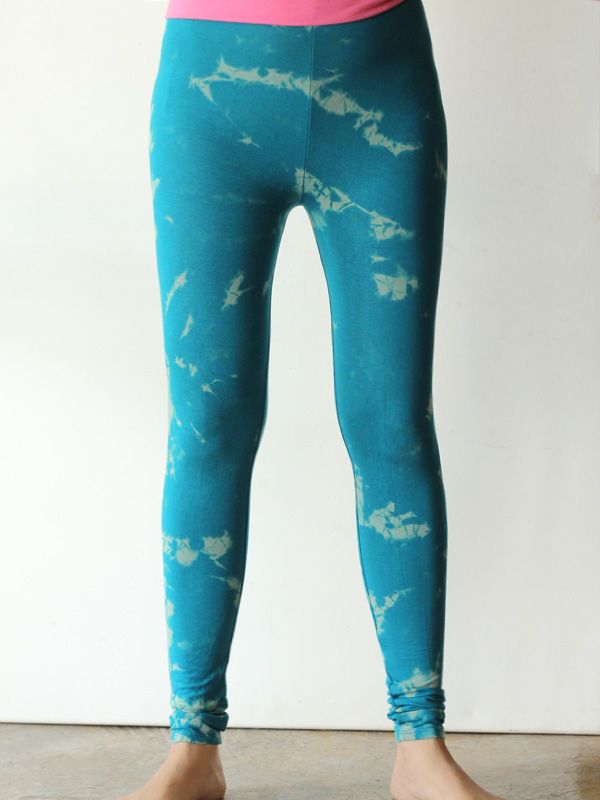
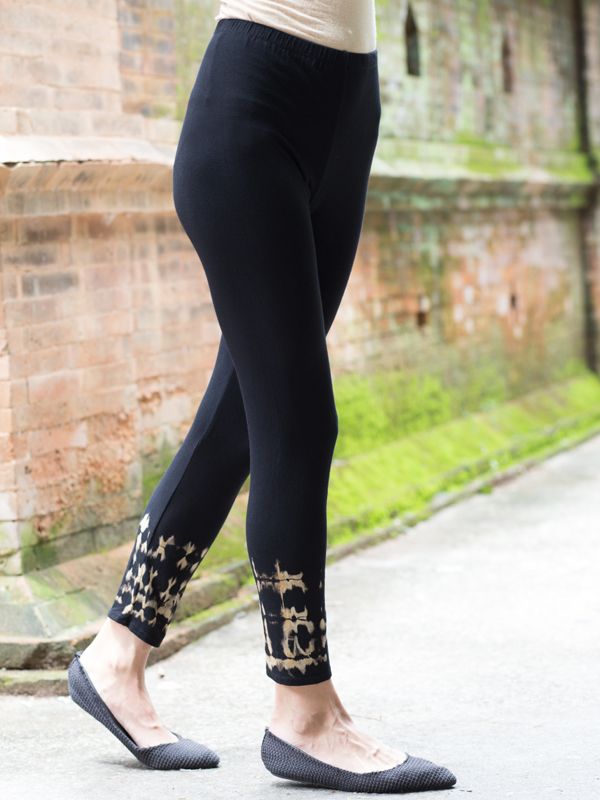
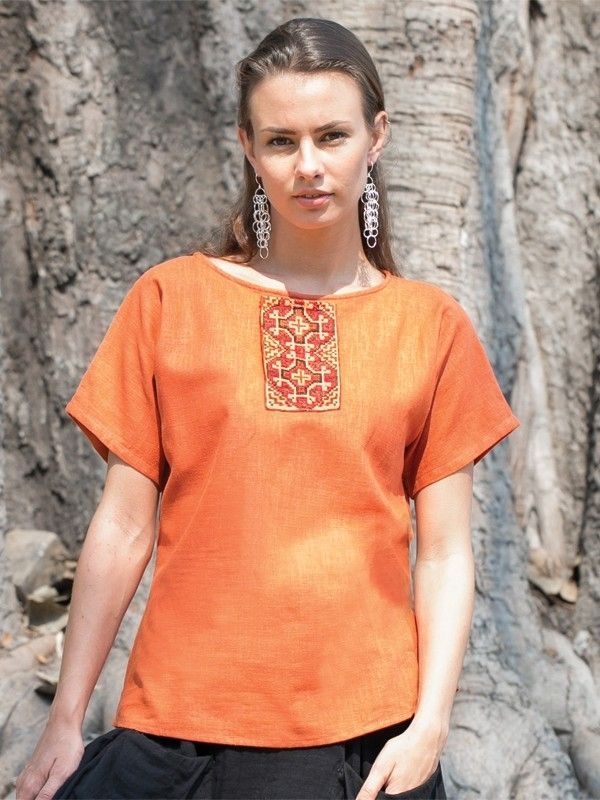
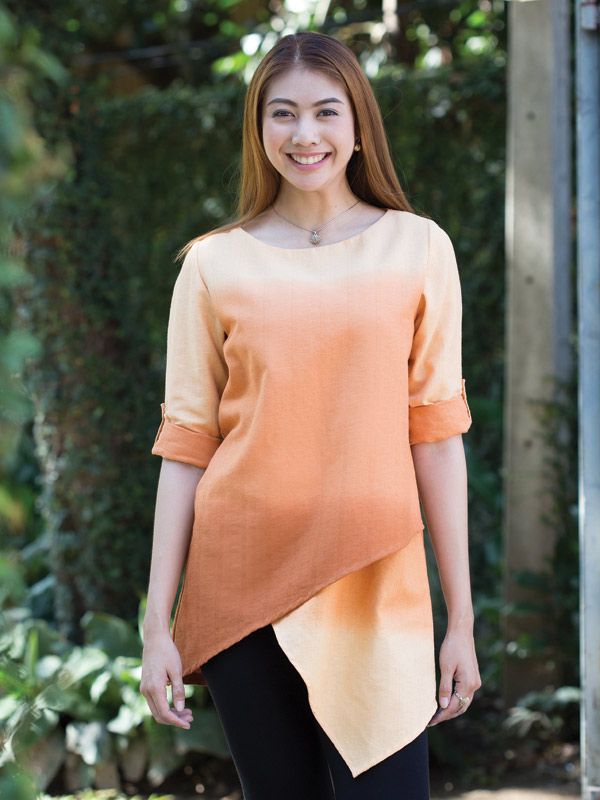
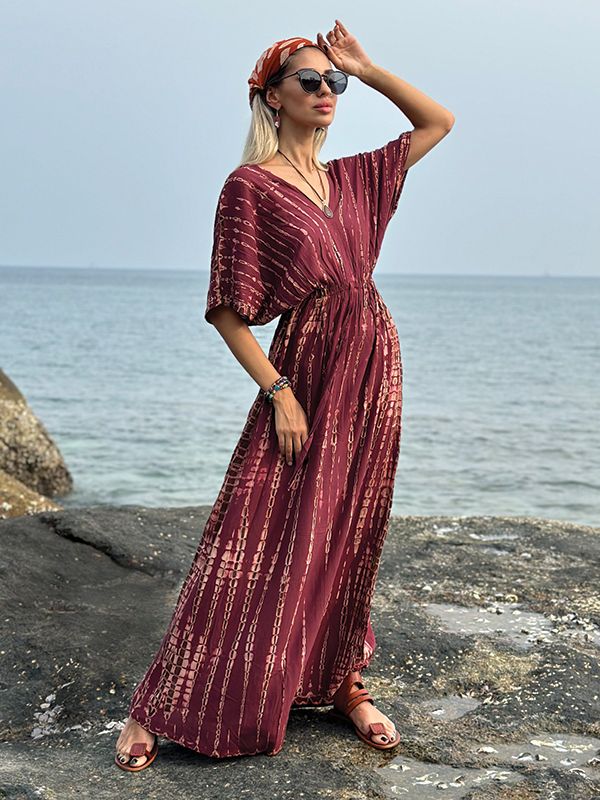
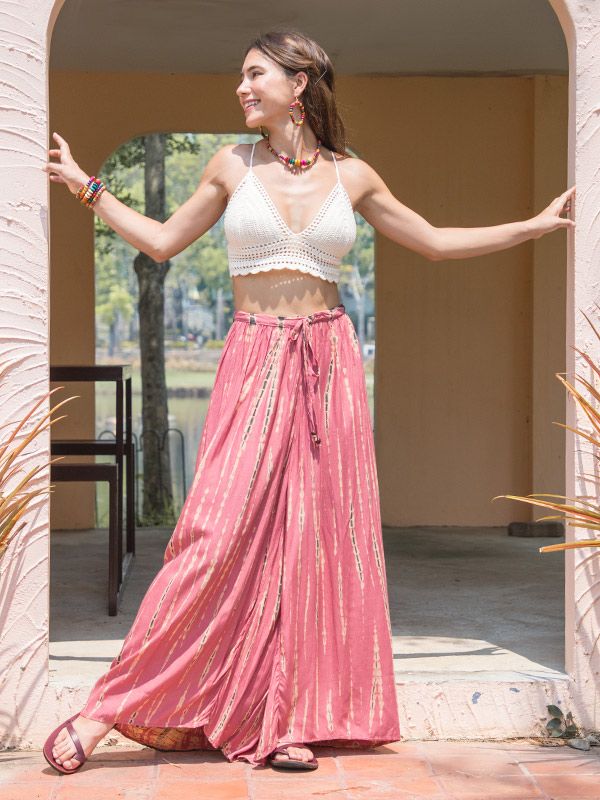
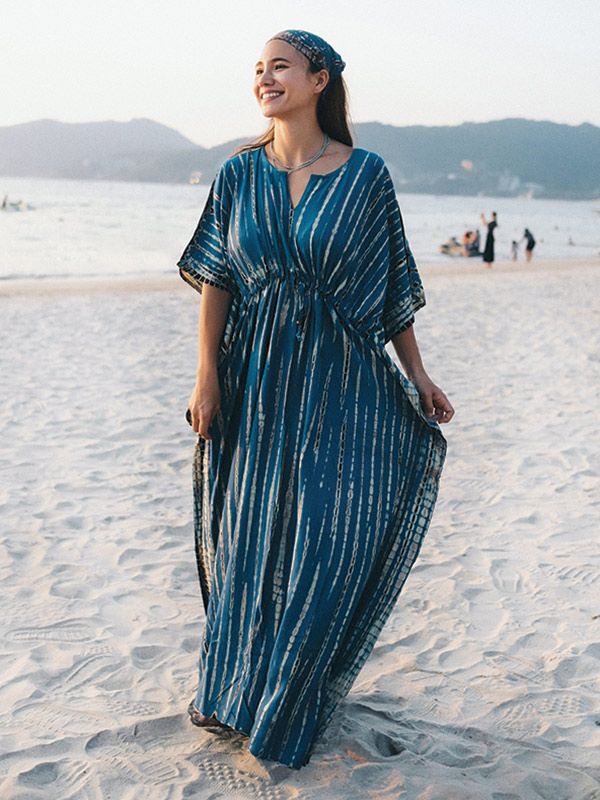
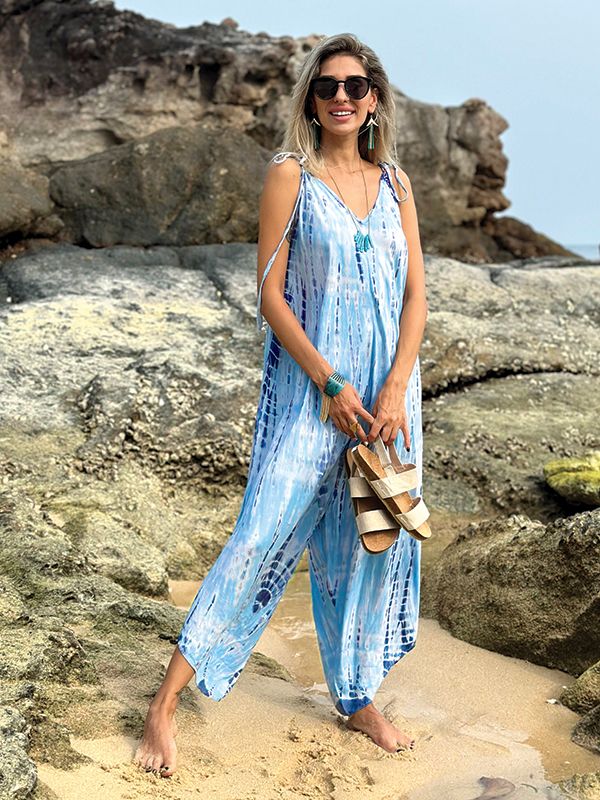
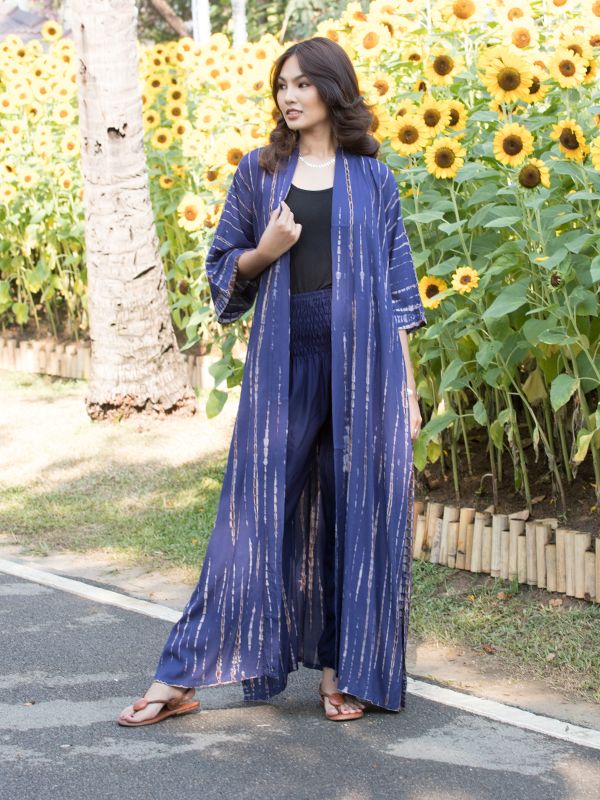
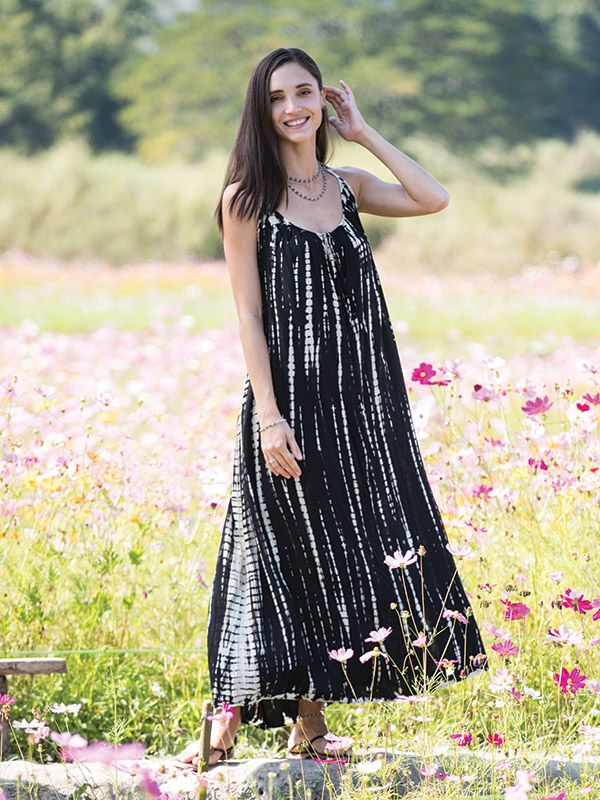
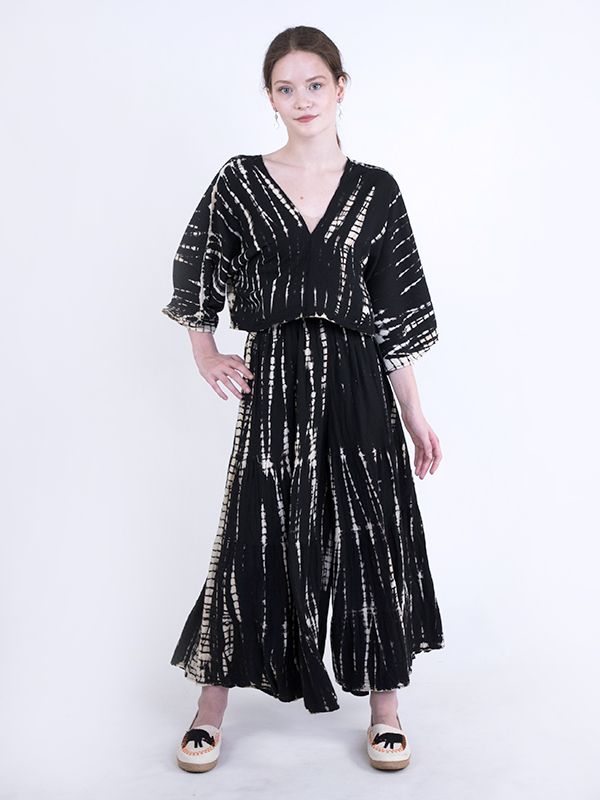
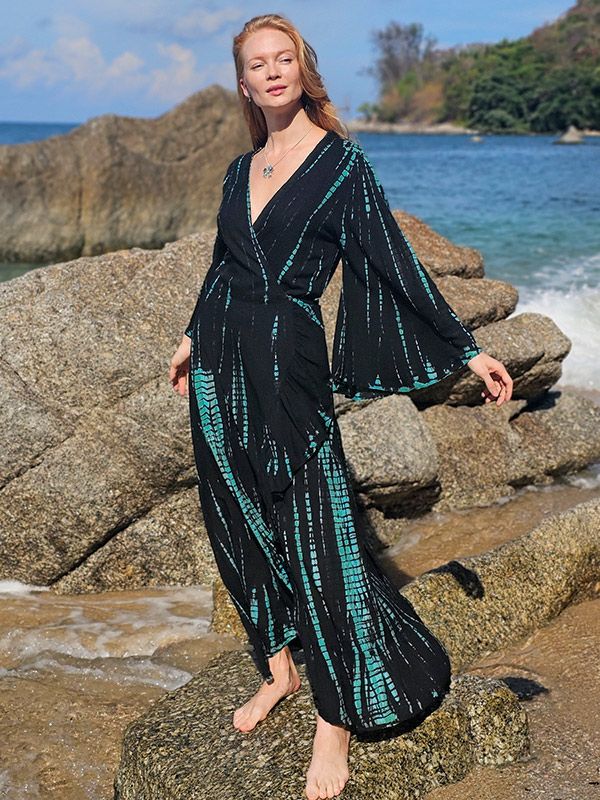
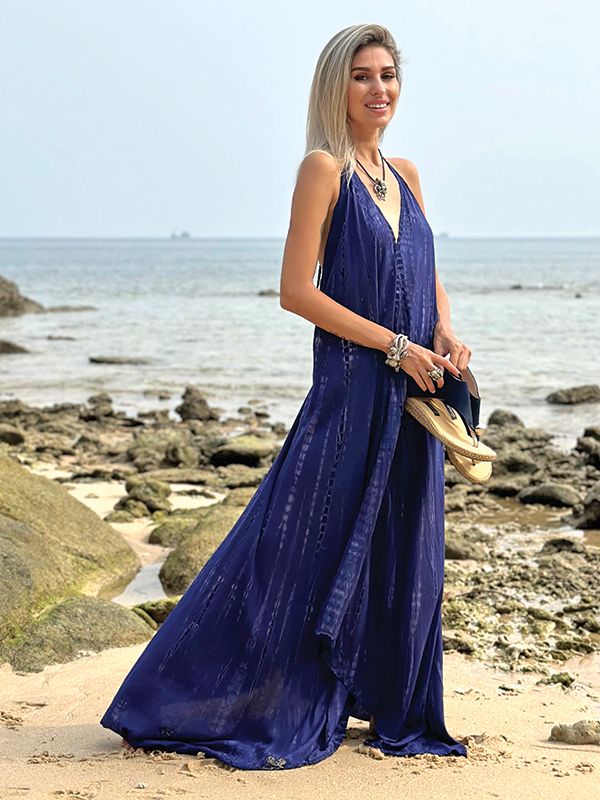
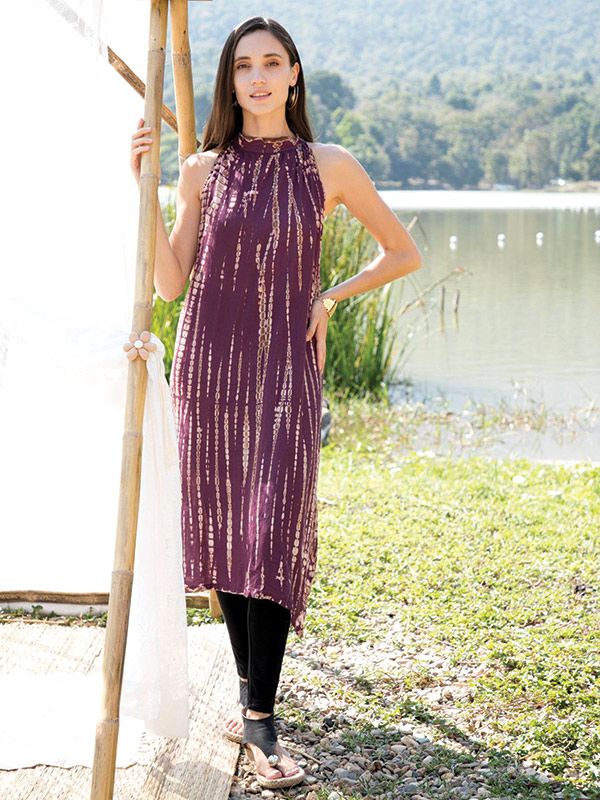
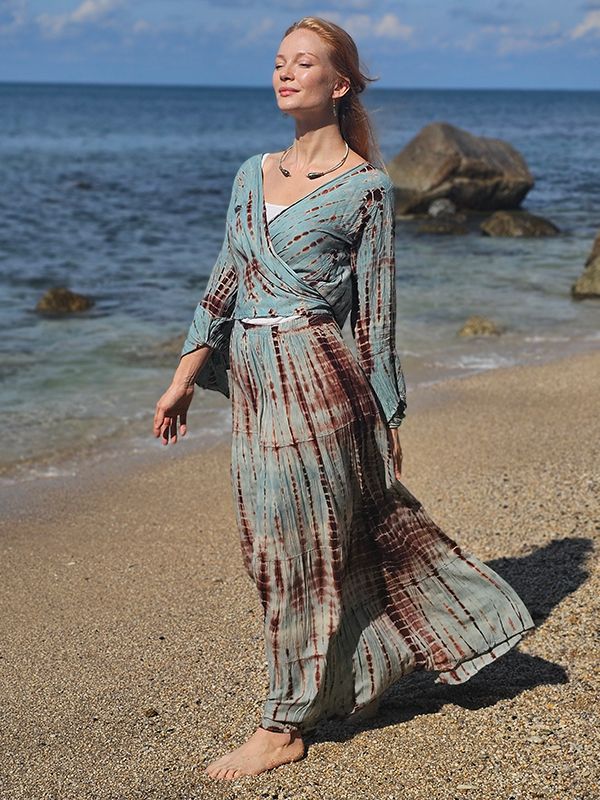
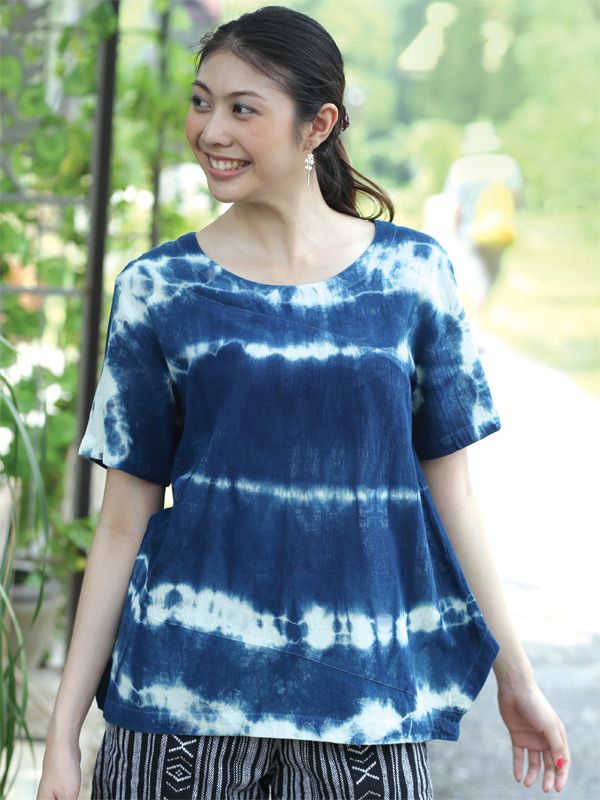
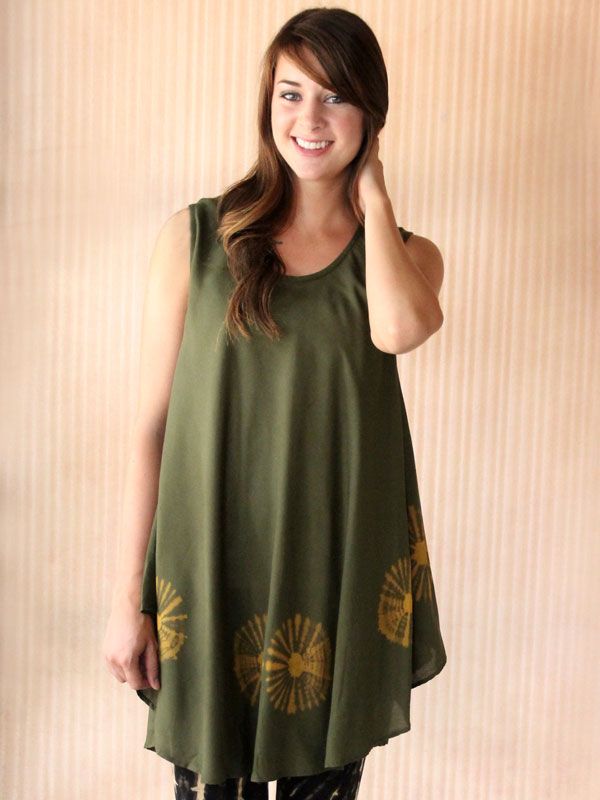
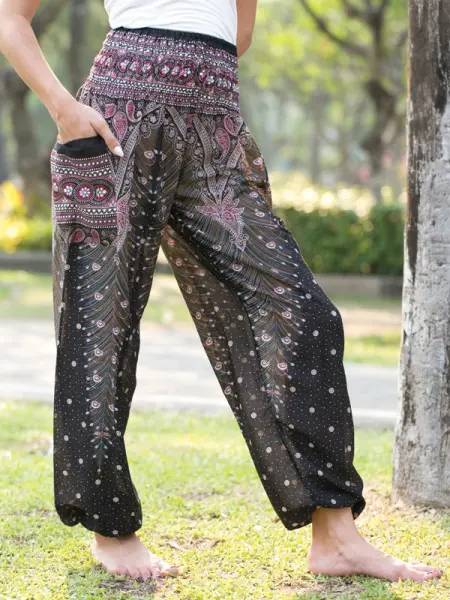
Lightweight 100% cotton fabric, sheer and wrinkled, woven in double-layers. The fabric gets this wrinkled texture that's totally intentional as a byproduct of the bleaching process. Bleaching is done on the yarn before the dyeing and weaving process. And get this – the fabric is woven in double layers for extra strength without sacrificing any of that softness. It's like wearing a cozy double-layered sweater, but way cooler and more breathable. The fabric ends up a little heavier since it's got two layers going on but that extra weight means it's super sturdy and tough. The best part is: there is no need for ironing. Those wrinkles make the fabric look effortlessly stylish straight out of the box. It's like your favorite pair of jeans that you've worn in just right. Whether you're aiming for a laid-back look or dressing to impress, this fabric has got your back. If you're all about feeling comfy and looking great without any fuss, our cotton fabric is definitely your go-to. Combed cotton is like the VIP of pure cotton fabric treated with great care to make it extra soft and durable. Let’s talk about cotton combing. Raw cotton comes with all these short fibers and tiny particles mixed in. Not the absolute best for making soft, luxurious fabric. That’s where the combing comes in. This cotton goes through special combing machines that literally comb out all the short fibers and impurities. This is done before spinning the fiber into yarn. The mechanism not only works like untangling massive knots in your hair but also filters out particles so that only the purest cotton fibers remain. The C stands for comb, 100 refers to thread count, or the number of threads per every inch of fabric. 100 falls in the mid-range. It's not super high so it is breathable but it's definitely not low either. Once done with the combing, the resulting material is soft and glossy, ready to be woven into these amazing apparel items like the Peoples Uniforms and Cotton Drifter. Super-breezy meticulously woven 70 thread count cotton with 100% natural indigo dye in artistic motifs. This pure cotton fabric is dyed with genuine indigo extract, straight from the indigo plant. No artificial stuff here, just pure nature. Let's dive into the colorful world of indigo. The classic deep blue shade is the original color of indigo, the color of denim jeans – rich, bold, and always in style. Indigo is extremely versatile and can display lighter blue tones by using minimal dye concentration, giving off those laid-back, beachy vibes that we all crave. But that's not all. Indigo can also surprise you with some unexpected twists by adding botanical colors to get different shades of blue, black, or even red. It's all about tweaking the dyeing process. It's a statement piece, blending comfort and style effortlessly. From its soft, smooth texture to its timeless indigo shades, this fabric is all about making you feel good while looking great. Textured medium-weight 100% cotton fabric inspired by traditional Thai hand-woven textiles. Threads intricately woven together creates a unique texture that echoes the delicate craftsmanship and tradition passed down through generations in small communities. This fabric perfects its special handcrafted look by combining large and small yarns in the weaving process. Proving that contemporary fabric production can also preserve the look and feel of classic traditional textile, like how it was made hundreds of years ago. The fabric is known in Thai as Shinmai. Medium-weight 100% cotton fabric inspired by traditional Thai bamboo fiber fabric. What sets it apart from other cotton is the way it's made, mixing up various thread lengths and weave techniques to give it a texture that vibes with bamboo fiber fabrics. Bemberg, or Cupro is a lightweight, high-quality, specialized silky cotton-based rayon manufactured in Japan. This particular fabric material starts with pure cotton linter, the short fibers that wrap cotton seeds. These fibers are then processed in a natural copper-based chemical solution, dissolving the fiber and forming thin silky smooth rayon threads. What’s awesome about Cupro is its versatility. It’s lighter than silk but has the same smooth texture. It feels cool and breathable like pure cotton, making it perfect for wearing anytime, especially in warmer weather. Plus, it’s as durable and low-maintenance as any other rayon fabric. It’s the best of both worlds, luxury and practicality. Super-versatile lightweight smooth sturdy fabric from plant-based cellulose fiber. Small residue particles from material such as wood pulp, bamboo, birch, or even cotton dissolved in a natural chemical solution then turned into fabric threads, like magic. Rayon boasts a silky-smooth texture that resists static cling. Known for its exceptional liquid absorption and breathability, this fabric is often referred to as natural spun fabric or viscose. Cotton fiber is also often used in the production of rayon. Linen is stronger and dries faster than cotton, great for warm weather, and loved for its casual yet stylish soft wrinkled look. This makes it a go-to for when you need a fabric that can keep up with the heat and looks good. Its signature, relaxed wrinkles are more than just a quirk—they add to its laid-back, effortless charm. Spun from the sturdy natural fibers of the flax plant, then loosely woven into a material that rapidly dries moisture and allows for excellent airflow. It’s not only a popular choice for summer clothing and hot climates but also suitable as home textiles, bedding, and everyday wear. Linen has been used since ancient times and remains a top-tier material in the fabric world. The rayon/spandex combination is all about comfort, style, and flexibility offering the smooth silky texture and soft breathable fit of rayon but with a colorful spandex twist. The fabric not only achieves a luxurious touch but also the flexibility and comfort for everyday needs. The blend is lightweight, resistant to wrinkles, and retains shape without staying stretched out. It's a great fit for ease of movement and a chic, relaxed look. Plus, it has an excellent four-way stretch that adapts well to body figures and curves. Its coloring process begins with a unique dyeing technique. Initially, the fabric is constructed to have its colors removed, creating a blank canvas. By stripping away the original colors resulting in a yellowish-white hue, the fabric is prepped for a traditional dye wash. This step is crucial as it lays the groundwork for the intricate patterns and prints applied later either by hand or tie-dyed. The 100% natural extraction from hemp makes this soft cozy fabric incredibly durable, breathable, and eco-friendly. Made from the stalks of the hemp plant, this textile has been around for many centuries, utilized for its sturdiness and being three times as strong as cotton. Years of refined techniques have transformed hemp fabric from rough and scratchy into a fine material that feels fantastic on your skin. Its firm yet gentle texture and rustic look gives your clothes a unique character, a look that also ages beautifully. Hemp fabric isn’t just about looking and feeling good. It’s naturally resistant to mold and protects the skin from UV rays, so it keeps you safe and fresh without any chemical treatments. Hemp is also a great insulator, helping you stay cool in the heat and warm in the chill. Plus, it’s fully biodegradable. Some of our most popular items are tie-dye patterns in natural cotton-based rayon fabric. Regardless of fabric, tie-dye patterns provide a sense of movement, energy, and panache to a piece of clothing that stands out from the usual solid colors. Some of our best-selling tie-dye pieces are the Rialto Dress, Calypso Drawstring, Catalina Palazzos. Tie-dye has a rich history and cultural significance, with variations in techniques and patterns found across different cultures. Early examples of tie-dye have been found in places like Peru, China, and Africa, suggesting its widespread adoption across continents. In Asia, typical tie-dye processes are Mudmee in Thailand, Shibori in Japan, and Bandhani in India. Trade routes, like the Silk Road, facilitated the spread of tie-dye techniques and textiles across Eurasia. Tie-dye fabric is created through a resist dyeing technique where sections of fabric are bound (tied) before dyeing, resulting in unique, vibrant, and often abstract patterns. Tie-dye involves twisting, folding, pleating, or crumpling fabric, then binding it tightly with string or rubber bands. The tied areas resist the dye, creating patterns where the dye cannot penetrate. The resulting patterns are unique and can range from simple to complex, depending on the folding and binding techniques used.