

Free Handmade Gift Wrapping
Free Handmade
Gift Wrapping
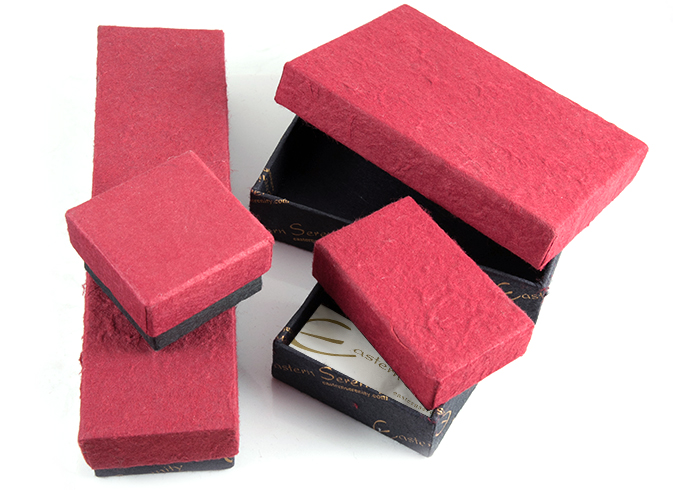
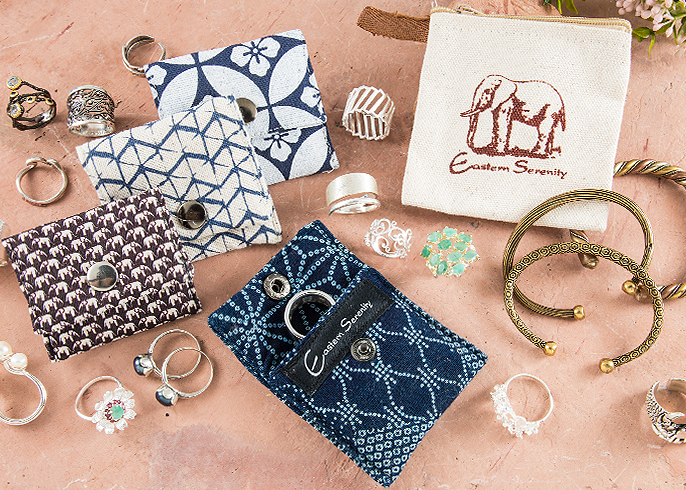
For all regularly priced jewelry, we will automatically ship your item in Eastern Serenity Saa Paper gift boxes or decorative cotton fabric zipper or snap closure bags made in Thailand, specially selected based on the jewelry size, type, and dimensions.
What is Saa paper?
Mulberry paper, known in Thai as “Saa” paper, is Thailand’s traditional handmade decorative paper from the bark of the mulberry tree. It is commonly used in creating paper crafts such as handmade gift boxes, decoration, and traditional paper art. This type of paper is entirely handmade by local talents from the northern region of Thailand. The material used is organic and natural in addition to being environmental friendly.
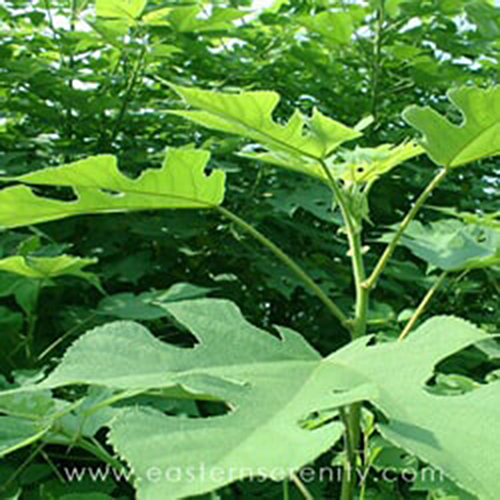
First, let us introduce you to the plant responsible. Common across Thailand and other Southeast Asian countries, this plant (Broussonetia Papyrifera Vent) is a rapidly growing, and non-cultured flora that fills untended environments. The material of the plant is perfectly sustainable as it is essentially a weed, replacing itself faster than it can be used. It is said to be one of the highest quality of biennial plants in Thailand and Laos for over 20 years.
Saa paper has gained increased popularity in the past 30 years, while before it was only used for umbrellas, paper fans, and lanterns. Today, saa paper, while not industrialized, is used in many handmade decorations thanks to the Bo-Sang community in Chiang Mai’s San Kamphaeng district.
Now, we are going to look into a step-by-step description of how these marvelous papers are made.
How to make Saa paper?
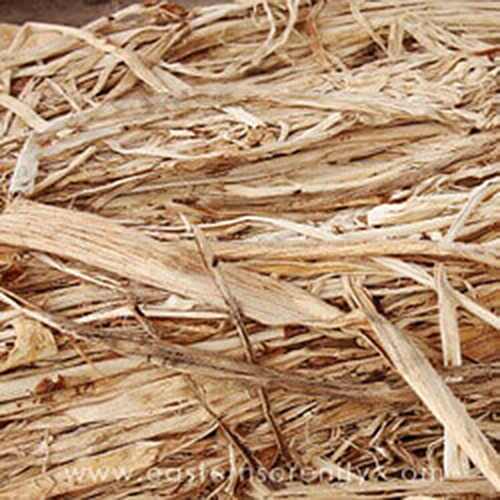
1. Harvesting material for the paper
Handmade paper is actually the second main use of the mulberry tree since it is used for silkworms as they can only produce quality silk while keeping to a diet of mulberry leaves. As the bushes mature, the leaves are no longer appetizing to the silkworms. At that point the bark and leaves are stripped (and ultimately grow back) for use in making paper. The mulberry tree should be harvested shortly after the rainy season since each tree has a lifespan of around one year and harvesting an old tree or a young one would result in the fiber being too tough or too soft respectively
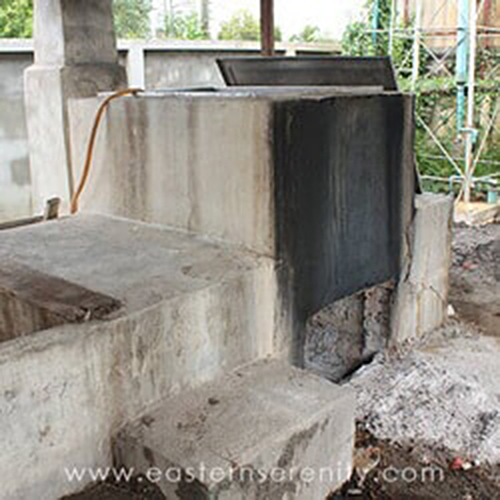
2. The soaking solution
After the harvest, the mulberry bark is soaked in clean water for about a day until it becomes softer and more pliable. It is then boiled in a salt water solution for a couple of hours to break down the internal strength of the plant cellulose. After boiling, the salt solution is rinsed away from the fiber, resulting in the basic raw fiber which makes up the essence of this natural paper. One caution worth noting is that, during the soaking procedure, a dried bark may be too tough resulting difficulty taking out the sap. Eventually, if the bark contains sap, during the drying procedure, the bark may fold itself making the paper unusable.

3. Whitening the mulberry strips for color consistency
Handmade paper has to be a uniform color in order to consistently hold any dye added further in the traditional process of making the paper. The paper has to then be treated in a chlorine solution to remove the color inconsistencies in the raw material. The whitening agent is then thoroughly rinsed away to prevent it from interfering in additional coloration.

4. Choosing the right stuff for paper
After the raw bark is soaked, cleaned, and treated for uniform color there still remain natural variations. The low-impact, handmade processing means that even after a few days of handling, the paper material can still be grouped by hue and roughness. The most delicate and regular-hued segments are chosen for paper, while rougher and darker segments, which signify an old tree, are destined for rope or thicker boards. Making paper with these segments can cause anomalies and mold ruining the paper material.

5. Transformation
Saa paper now begins its real transformation. The raw paper material has been groomed and selected for consistent texture and color. This step is crucial in the final texture and feel of the paper. In preparation for its coloring, the paper is now immersed in cold water and agitated repeatedly through a blunt thresher to create a granular pulp.

6. Add some color
As the fibers are being crushed and separated, traditional dyes are added into the cold water solution. The color is therefore dyeing the pulp as it is ground into a mash of cellulose so fine that the rich colors come through as close to true and with minimal dilution and variation in the final paper.
.png)
7. The layering
The Saa paper pulp is then allowed to sit for a few minutes after the agitator is removed from the pulping bin. The ground, dyed fibers then rise to the top and are collected on a light screen that draws out even layers of pulp for the final drying process.
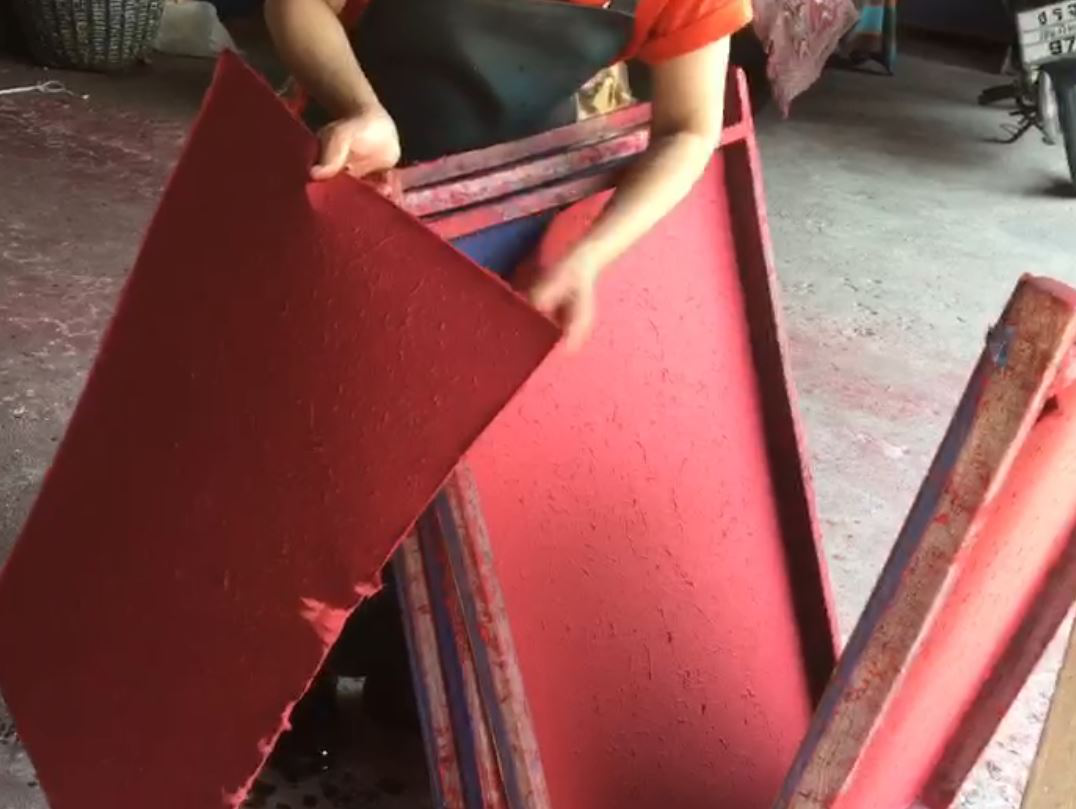
8. The drying procedure
The smooth and evenly-layered pulp is now essentially dissolved cellulose amalgam. The sun, while drying the pulp, evaporates the water in the solution as the trays are exposed on alternating sides, fixing the pulp together into sheets with the natural adhesive that was formed in the pulping process.
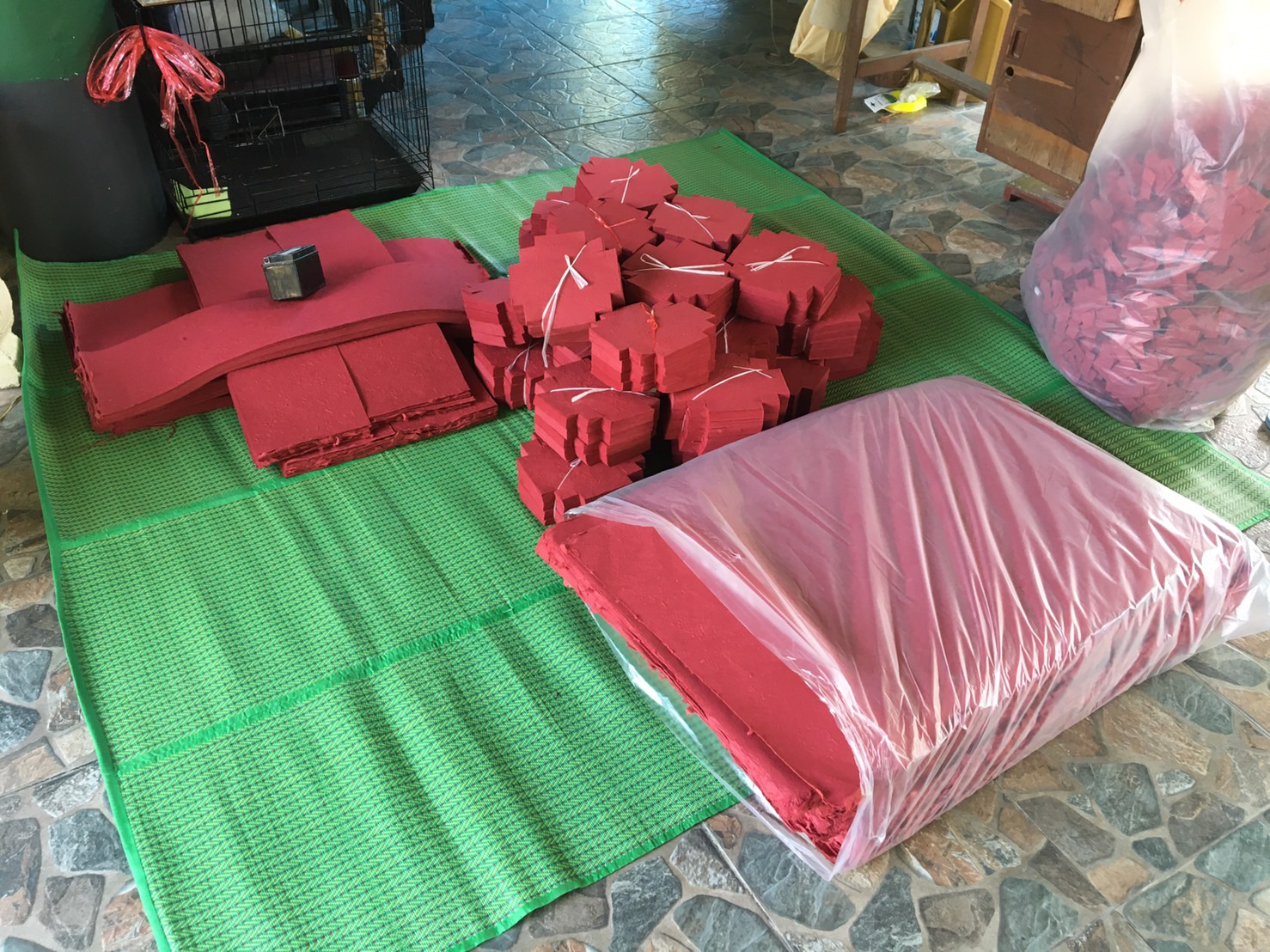
9. Finalizing the products
Saa paper sheets have now formed in the screen trays and are collected from the drying yard. The paper is now carefully separated from the reusable mesh screens. The finished handmade paper is limited to only a couple of standard sizes - set by optimizing size, screen handling, and safe paper separation.
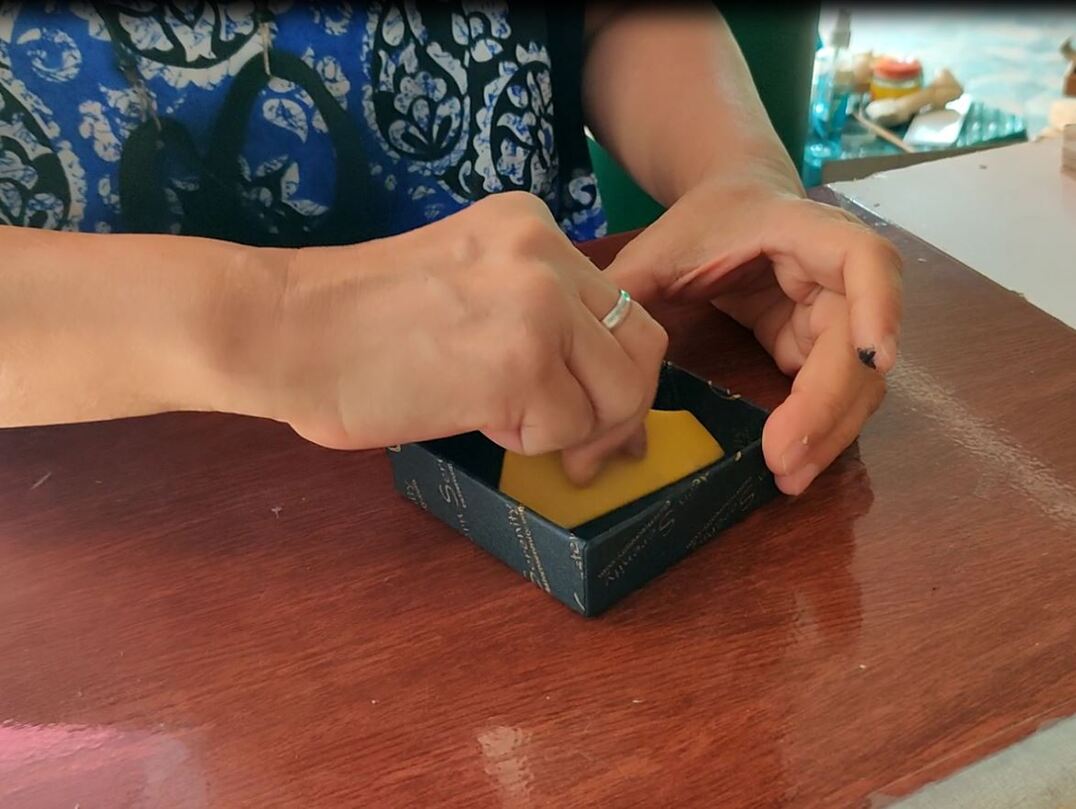
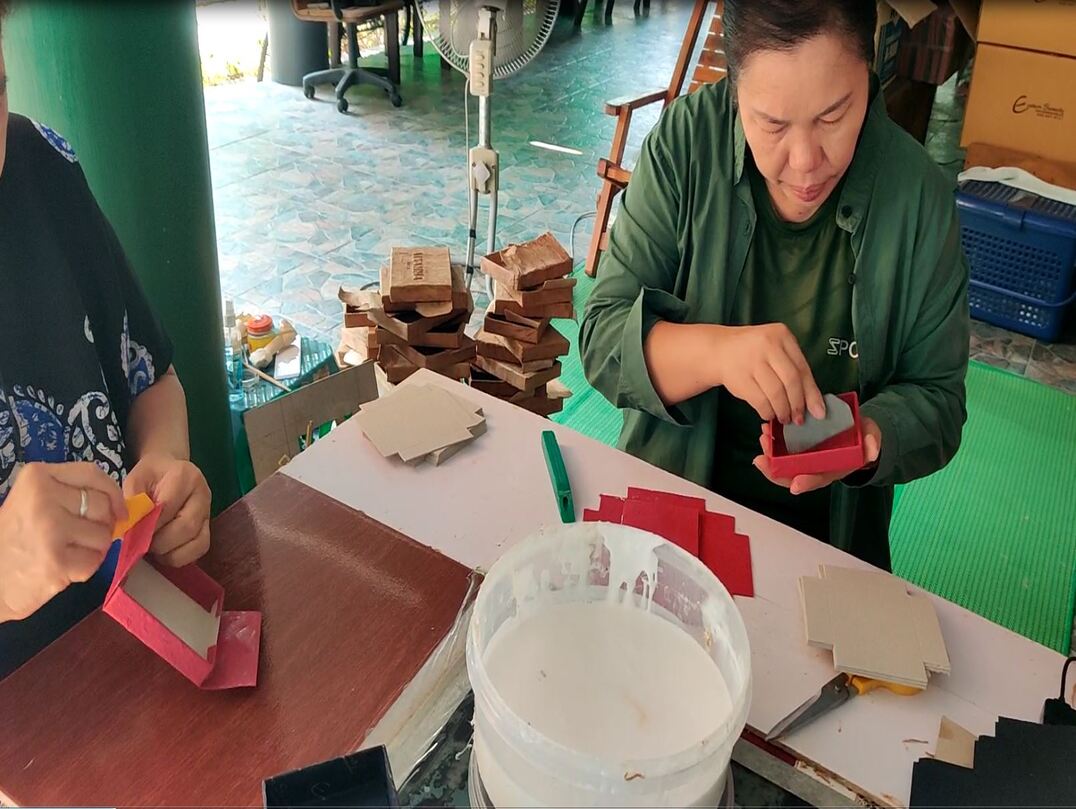
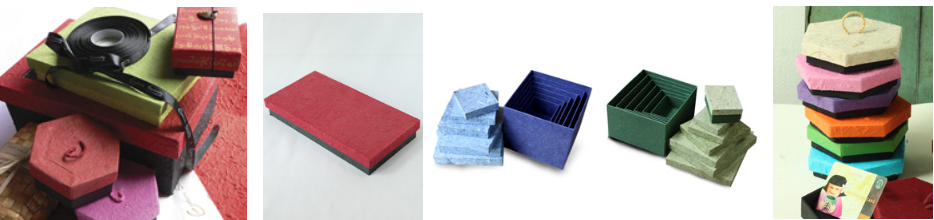
Handmade gift boxes
The natural paper is often used to make gift boxes soon after drying. Each box is touched by a human, generally working at the family home. The irregular handmade paper can't be handled easily by machines so this paper and the products made with it are among the least industrial products in the market.
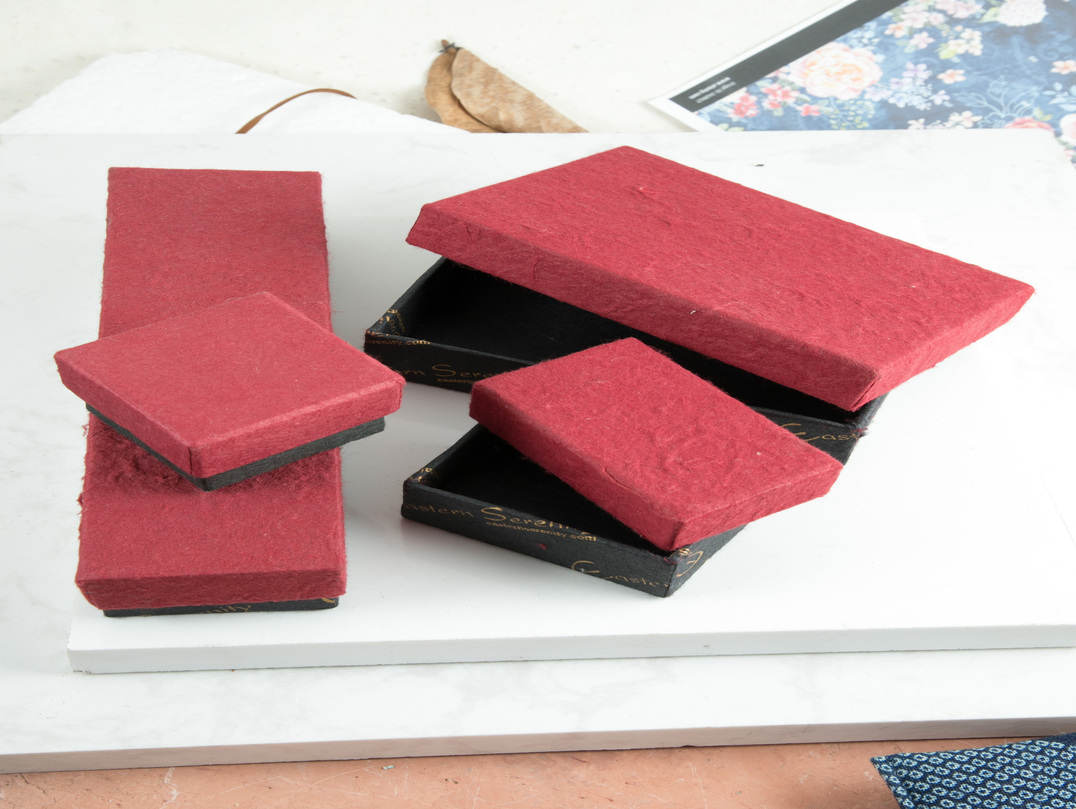
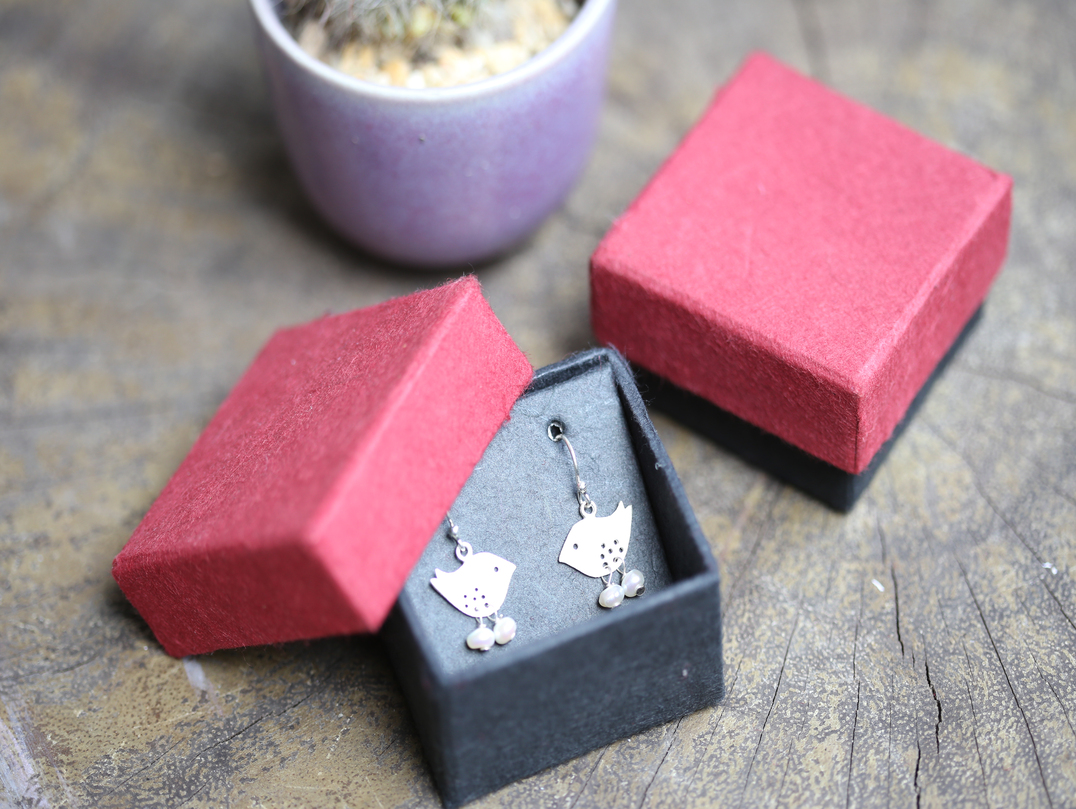
Eastern Serenity packaging
Eastern Serenity pre-packages most items in gift boxes made from this extraordinary paper. The packaging is re-usable for a surprisingly long time and will surely have a life of its own. Our indicia stickers on the boxes can be easily removed for alternate uses.
